A beginner's guide to urban cycling
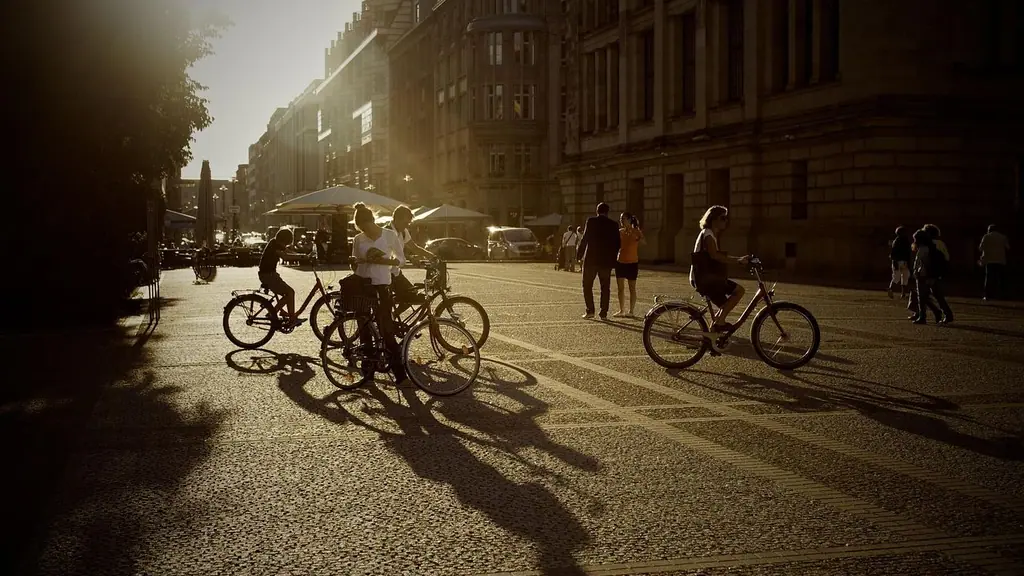
Riding in the city is less about bravery than preparation: a working bike, a few rules, a sensible route and habits that make you predictable to everyone around you.
Trails worth knowing, the Florida rules that matter, how to combine a bike with Miami-Dade transit, and how to plan rides around heat and afternoon storms.
Read the guideGreen Mobility Network is an independent publication about everyday transportation: riding a bike, walking, using an e-bike or a bus, and the street design that makes those choices safe. Every article lists its sources, every calculator shows its assumptions, and we keep a close eye on Miami and South Florida, where this web address began. About the publication.
Riding in the city is less about bravery than preparation: a working bike, a few rules, a sensible route and habits that make you predictable to everyone around you.
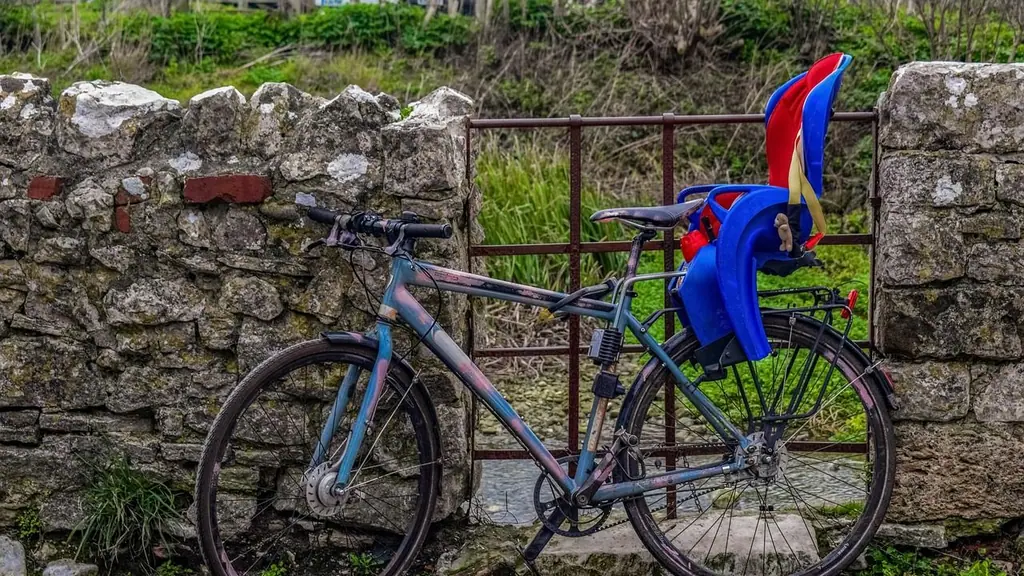
How families can ride together at every age: when babies can ride, trailers vs. child seats, tag-alongs, first bikes and independent riding, per AAP guidance.
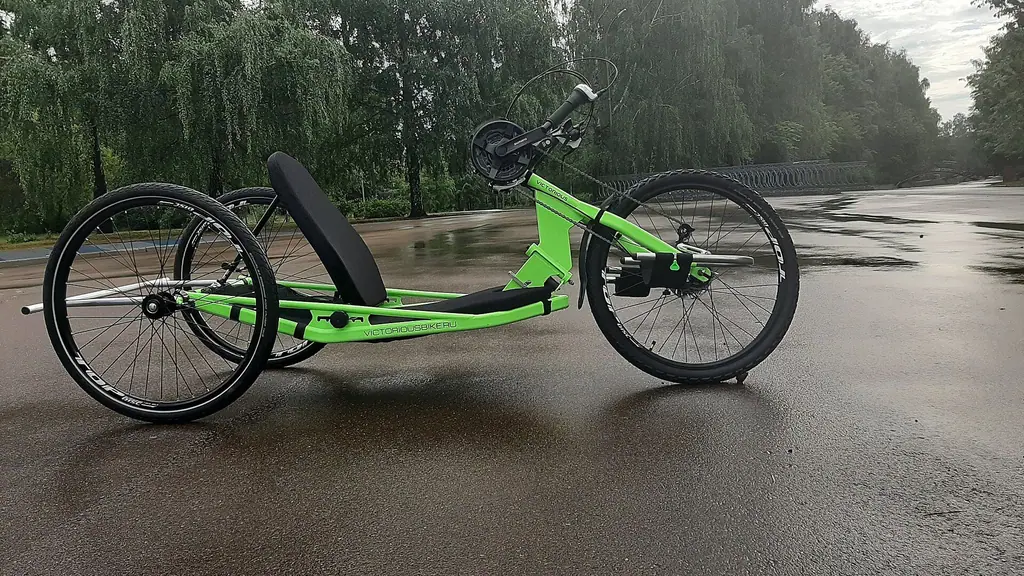
An introduction to adaptive cycling: handcycles, trikes, tandems, recumbents and side-by-side cycles, how to choose one, adaptive programs and the ADA context.
How to commute by bike safely in extreme heat: signs of heat illness, the heat index, hydration, timing, shaded routes, clothing and the e-bike option.
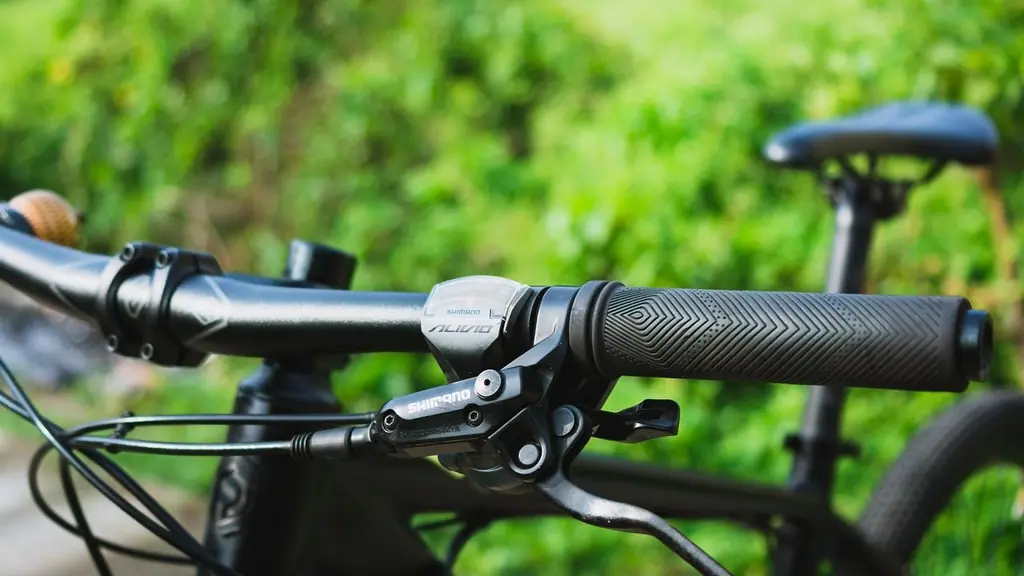
How to do the ABC Quick Check before every bike ride, plus the extra checks for lights, helmet fit, bolts, cargo and e-bike batteries that keep a ride safe.
South Florida's weather is predictable in its patterns and unforgiving in its extremes. Here is how to plan rides around heat, lightning, sun, storms and high water.
A guide to Miami-Dade greenways and paths, including The Underline, Rickenbacker, Commodore, Old Cutler, Black Creek and Snake Creek, with official lengths.
How the Miami metro ranks in Dangerous by Design 2026, what Miami-Dade Vision Zero and FDOT Target Zero aim to do, and which street fixes make walking safer.
Metrorail, Metromover, the Better Bus Network, South Dade bus rapid transit, Tri-Rail, Brightline and SMART corridors, plus the climate case for change.
How group rides, grassroots clubs, open-streets days, crash-driven campaigns and Vision Zero plans shaped cycling and walking in Miami from 2007 to 2026.
Riding in town, commuting, gear and skills
E-bikes, batteries, motors and scooters
Transit, complete streets and access
Crossings, speed and safer streets
Bike lanes, networks and design
Checks, schedules and repairs
Riding with children, from seat to solo
Planning for cleaner, healthier places