Common electric bicycle problems: symptoms, causes and what to do
Many e-bike faults are ordinary bicycle problems in disguise. A few, especially battery and charger symptoms, are safety issues that call for stopping immediately.
When an e-bike misbehaves, the cause is often something familiar from ordinary bicycles: a soft tire, a dragging brake or a dirty chain. Other faults involve the battery, charger, wiring or controller, and a small number of those are genuine fire or crash hazards.
This guide groups common symptoms by system, lists likely causes and suggests a sensible response. It is not a repair manual. Your owner’s manual and a qualified technician remain the right sources for anything electrical.
Safety first: battery and charger symptoms
Start here, because these symptoms take priority over everything else. Fire hazards were the most commonly reported problem in the U.S. Consumer Product Safety Commission’s in-depth investigations of e-bike incidents from 2017 through 2024: 106 of the 145 completed investigations, according to the CPSC’s 2026 micromobility report.
The FDNY’s consumer tip sheet (2024) tells owners to watch for odors, changes in shape or color, leaking and odd noises. If you notice any of them, stop using the battery immediately, move it away from anything that can catch fire if it is safe to do so, and call 911.
| Symptom | Possible cause | What to do |
|---|---|---|
| Battery case swollen, bulging or cracked | Internal cell damage or failure | Stop using it. Do not charge it. Move it away from combustibles if safe and contact the manufacturer or your fire department for advice |
| Smoke, odd noises or a strange smell | Cell failure, possible start of thermal runaway | Get people out, close the door and call 911. Do not try to fight the fire |
| Battery or charger unusually hot | Cell fault, wrong or faulty charger, poor ventilation | Unplug if safe, let it cool away from flammables, stop using it until checked |
| Leaking fluid from the pack | Damaged cells | Stop using it; avoid skin contact; seek manufacturer guidance |
| Charger light abnormal or charger very hot | Incompatible or failing charger | Stop using it and get a manufacturer-approved replacement |
| Battery damaged in a crash or drop | Possible hidden internal damage | Have it inspected before further use |
UL Solutions (2026) notes that internal damage can develop before any outside sign appears, which is why a pack that has taken a hard hit deserves caution even if it looks fine.
Never respond to a battery problem by buying a generic charger. The CPSC warned in 2024 that universal chargers can fit a battery without being compatible, and reported 156 fire and thermal incidents involving such chargers between January 2023 and May 2024. You can report a dangerous product to CPSC at SaferProducts.gov, as its micromobility information center advises. For prevention, see our guide to e-bike battery safety and storage.
Power and electrical problems
| Symptom | Likely causes | Sensible response |
|---|---|---|
| Bike will not turn on | Battery flat, not fully seated or locked, battery switch off, dirty or wet contacts | Charge, reseat and lock the battery, check its switch, dry the contacts |
| Display works but no assistance | Assist level set to zero, brake sensor stuck “on,” loose sensor connector | Select an assist level, check that brake levers return fully, inspect connectors |
| Assistance cuts in and out | Loose or corroded connector, damaged cable, low battery under load | Inspect visible wiring and connectors; if it persists, see a technician |
| Motor cuts out when braking | Normal brake cutoff function | No action needed |
| Error code on display | Sensor, motor, controller or battery fault | Look up the code in your manual; try a battery reset; then seek service |
| System reset fixes it only briefly | Intermittent electrical fault | Book a diagnostic check |
CHOICE, the Australian consumer group, suggests that a misbehaving system can sometimes be reset by removing and reinserting the battery, and advises taking the bike for professional repair if cables are damaged or the reset does not help. Do not open the motor, controller or battery yourself.
A brake-related cutoff is a feature, not a fault. Florida Statute 316.20655 (as of 2025) requires e-bike motors to disengage when the rider stops pedaling or applies the brakes, so a cutoff when you brake is expected.
Range and performance problems
| Symptom | Likely causes | Sensible response |
|---|---|---|
| Range much shorter than usual | Cold weather, higher assist level, low tire pressure, dragging brake, heavier load, headwinds | Check tires and brakes, compare riding conditions, store and charge the battery indoors in winter |
| Range steadily declining over months | Normal battery aging | Expected over time; have capacity checked if the drop is sudden |
| Battery percentage drops suddenly under load | Aging or weak cells, cold battery | Have the battery tested; avoid riding to empty |
| Bike feels sluggish on hills | Wrong gear (mid-drive), low assist level, low battery | Shift to an easier gear before the climb and raise assist |
| Pedaling feels harder with the motor off | Dragging brake, soft tires, dry chain | Spin each wheel, inflate tires, clean and lube the chain |
CHOICE also notes that underinflated tires and rubbing brakes drain a battery faster. Before suspecting the battery, rule out drag. Our e-bike range estimator can help you judge whether your range is reasonable for your conditions, and understanding e-bike batteries explains what affects capacity.
Brake problems
Brakes work harder on e-bikes because of the added weight and speed, as Consumer NZ’s maintenance guide (2026) points out. Brake faults are crash risks, so do not ride until they are fixed.
| Symptom | Likely causes | Sensible response |
|---|---|---|
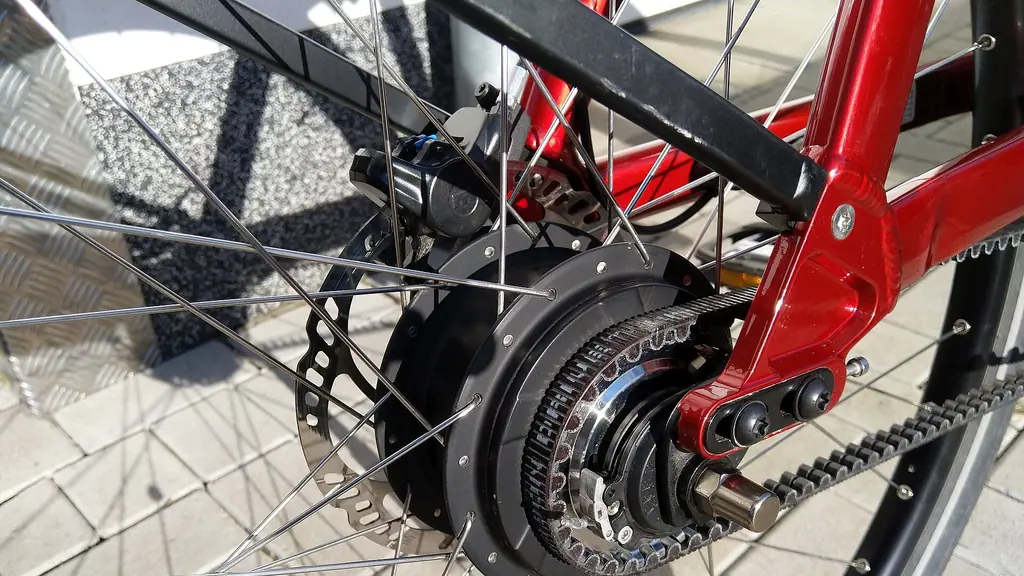
| Weak braking, lever pulls close to the bar | Worn pads, stretched cable, air in hydraulic line | Check pad thickness; adjust cable; have hydraulic brakes bled |
| Squealing or grinding | Contaminated or worn pads, dirt on rotor | Clean rotor with brake cleaner; replace contaminated or worn pads |
| Pulsing or vibration when braking | Worn pad or warped rotor | Inspect and replace the rotor or pads as needed |
| Brake rubs constantly | Misaligned caliper, bent rotor | Realign the caliper or have the rotor trued |
Consumer NZ suggests replacing disc pads worn to under about 1 mm of friction material.
Drivetrain and wheel problems
| Symptom | Likely causes | Sensible response |
|---|---|---|
| Chain skips under power | Worn chain or cassette, poor shifting adjustment | Measure chain wear; replace worn parts; adjust shifting |
| Noisy, gritty drivetrain | Dirty or dry chain | Clean and lubricate the chain |
| Clunk or creak when pedaling hard | Loose crank, pedals, or motor mounting bolts | Have bolts checked and torqued to specification |
| Wheel wobble or loose spokes | Spoke tension loss, often from added weight | Have the wheel trued and tensioned |
| Frequent flats | Low pressure, worn tires, debris | Keep pressure at sidewall range; replace worn tires |
Many of these are the same faults that affect pedal bikes. Our guide to common bicycle problems covers them in more depth, and the e-bike maintenance guide explains how to prevent most of them.
When to stop riding
Some problems mean the bike should stay parked until it is repaired:
- Any battery warning sign: swelling, leaking, smoke, odd smells or noises, or unusual heat
- Brakes that feel weak, spongy or inconsistent
- Loose handlebars, stem, wheels or motor mounts
- Cracks in the frame, fork or battery mount
- Exposed or damaged wiring
- Unexpected acceleration or a motor that does not stop when you stop pedaling or brake
The last item matters because the motor should never push the bike when you are trying to slow down. Control issues were among the top hazards associated with e-bike deaths in the CPSC report, so any fault that affects control is a reason to park the bike.
Getting help
For warranty work and electrical faults, start with the manufacturer or an authorized service center, which can run diagnostics and install software updates. Keep your purchase records, battery serial number and the bike’s class label information handy. Check for recalls on the CPSC website, since recalled batteries and chargers may come with specific instructions.
Key takeaways
- Battery swelling, leaking, odd smells or noises, smoke or unusual heat mean stop using the battery at once; call 911 if it smokes.
- Many “electrical” faults are simple: a battery not seated, dirty contacts, an assist level of zero or a stuck brake sensor.
- Short range is often caused by cold, soft tires, dragging brakes or high assist before the battery itself is to blame.
- Brake and wiring faults are crash risks; do not ride until they are fixed.
- Leave battery, motor and controller repairs to the manufacturer or a qualified technician.
Questions readers ask
My e-bike will not power on. Is the battery dead?
Not necessarily. Check that the battery is charged, fully seated and locked, that its own power button (if any) is on, and that the contacts are clean and dry. If it still will not start, have a qualified technician diagnose it.
Is it normal for the battery to get warm while charging?
Slight warmth can occur, but a battery or charger that becomes unusually hot is a warning sign. Unplug it if safe to do so, move it away from anything that can burn, and do not reuse it until it has been checked.
Why does my motor cut out when I squeeze the brakes?
That is usually by design. Florida law, for example, requires the motor to disengage when the brakes are applied. If the motor cuts out without braking, a brake sensor or connector may be faulty.
Sources
- Micromobility Products-Related Deaths, Injuries, and Hazard Patterns: 2017-2024, U.S. Consumer Product Safety Commission (2026).
- Micromobility: E-Bikes, E-Scooters and Hoverboards, U.S. Consumer Product Safety Commission (2024).
- CPSC Urges Consumers to Not Buy or Use Universal Chargers with Micromobility Products Due to Fire Hazard, U.S. Consumer Product Safety Commission (2024).
- Lithium-Ion Batteries and Micromobility Devices: Safety Tips for Retailers and Consumers, FDNY (2024).
- E-bike maintenance, Consumer NZ (2026).
- How to maintain your electric bike, CHOICE (2022).
- When Lithium-Ion Batteries Fail: Understanding Thermal Runaway and Safety Risks, UL Solutions (2026).
- Florida Statutes 316.20655, Electric bicycle regulations, The Florida Senate (2025).
Green Mobility Network is an independent publication. This article is for general information and is not legal, medical or professional advice; rules differ by state and city. Spotted an error? Read our corrections policy and write to contact@greenmobilitynetwork.org.