Start here
Choosing between a traditional bicycle and an e-bike
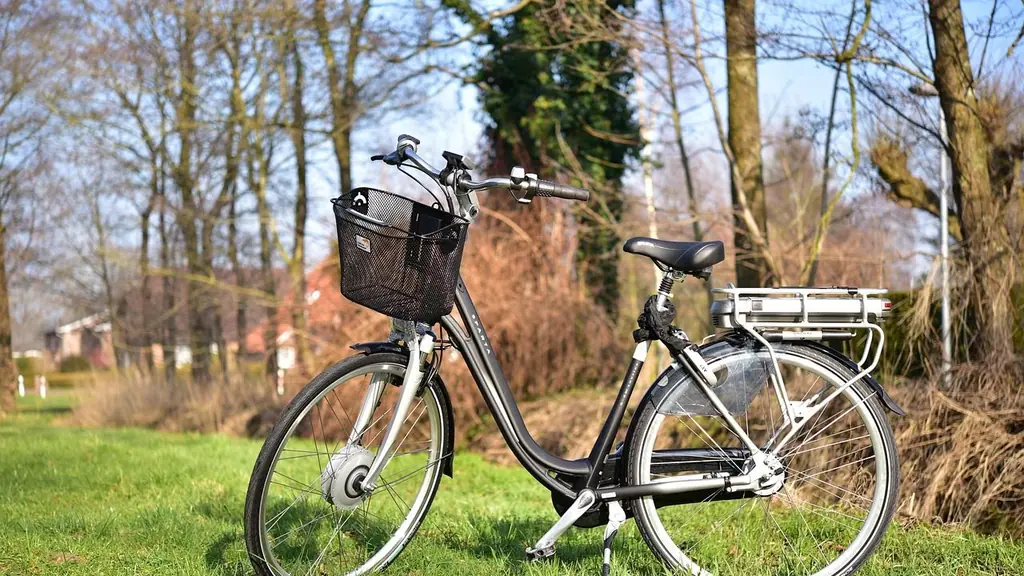
Both are efficient, low-carbon ways to get around. The better choice depends on how far you ride, the terrain and climate, your budget and what you want from the ride.
Electric assist has changed who rides and how far. It has also brought new questions about batteries, motors, rules and safety.
These guides explain the technology without the sales pitch, with battery safety advice drawn from consumer-safety regulators and fire services.
Both are efficient, low-carbon ways to get around. The better choice depends on how far you ride, the terrain and climate, your budget and what you want from the ride.
Many e-bike faults are ordinary bicycle problems in disguise. A few, especially battery and charger symptoms, are safety issues that call for stopping immediately.
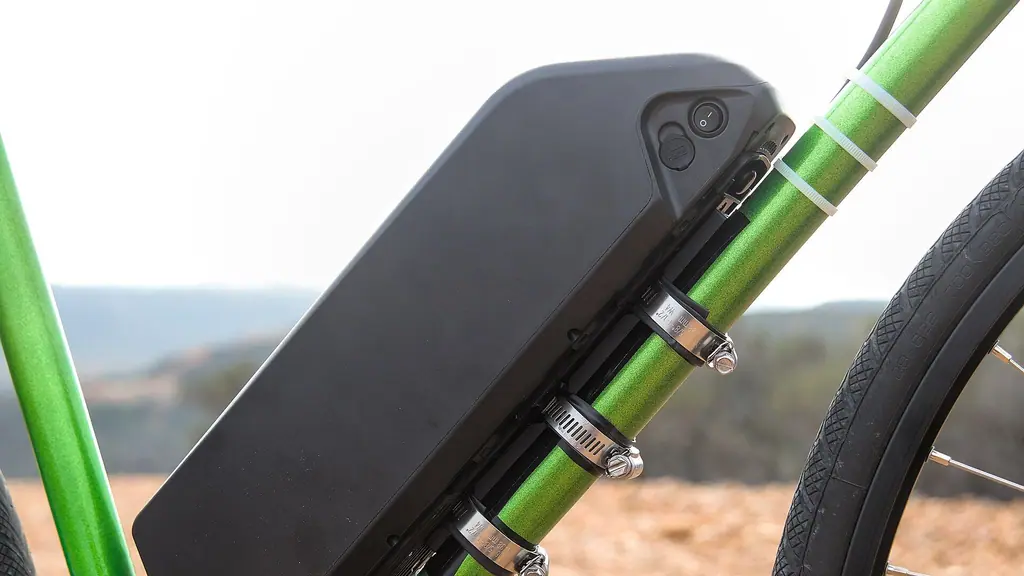
Most e-bike batteries never cause trouble, but a failing lithium-ion pack can burn intensely and fast. A few habits backed by safety agencies sharply reduce the risk.
An e-bike is still a bicycle, but its extra weight, speed and electronics change how often parts wear and which jobs you should leave to a professional.
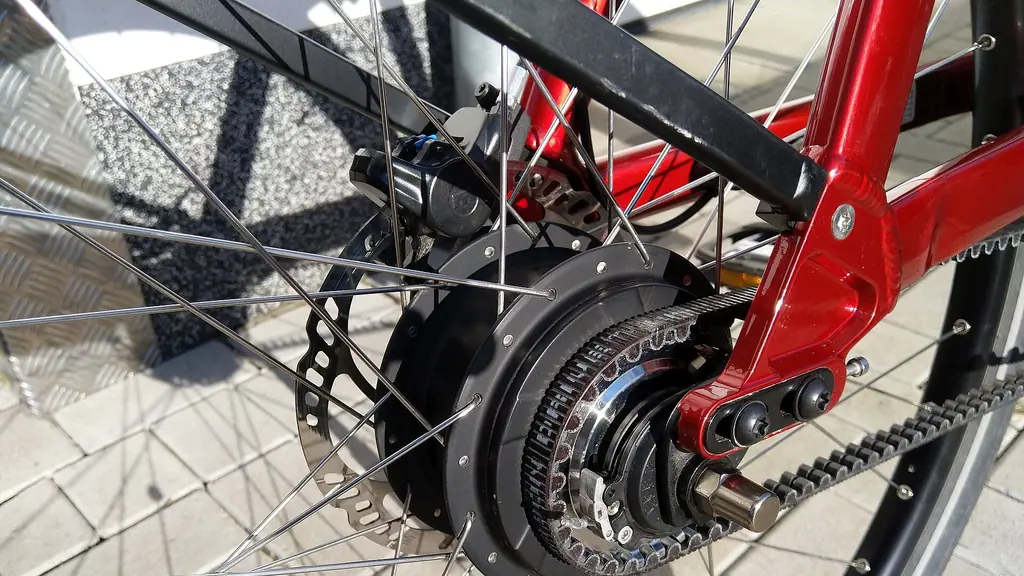
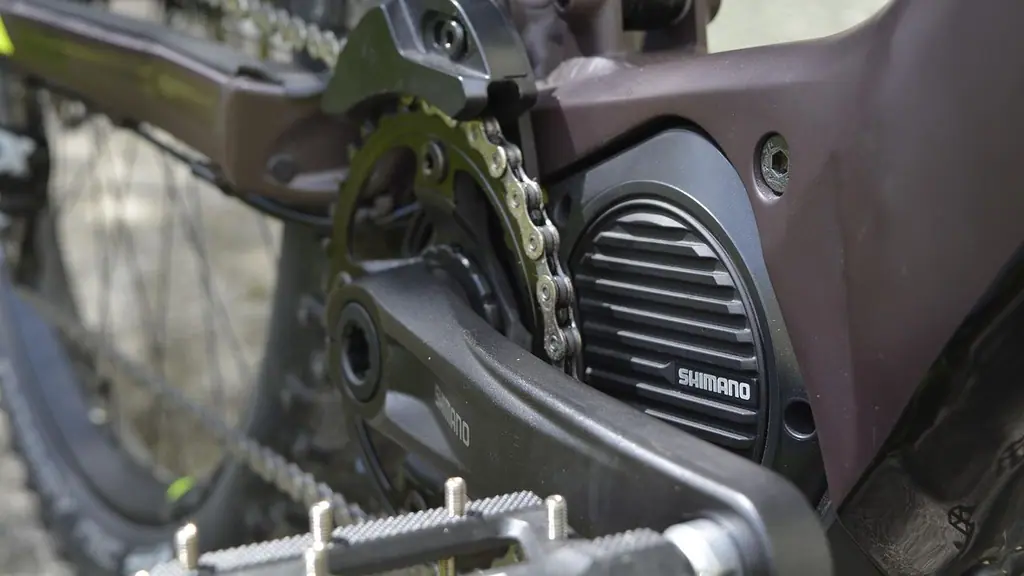
Where the motor sits and how it senses your pedaling shape how an e-bike feels, climbs, wears and gets serviced. Here is what the terms mean in practice.
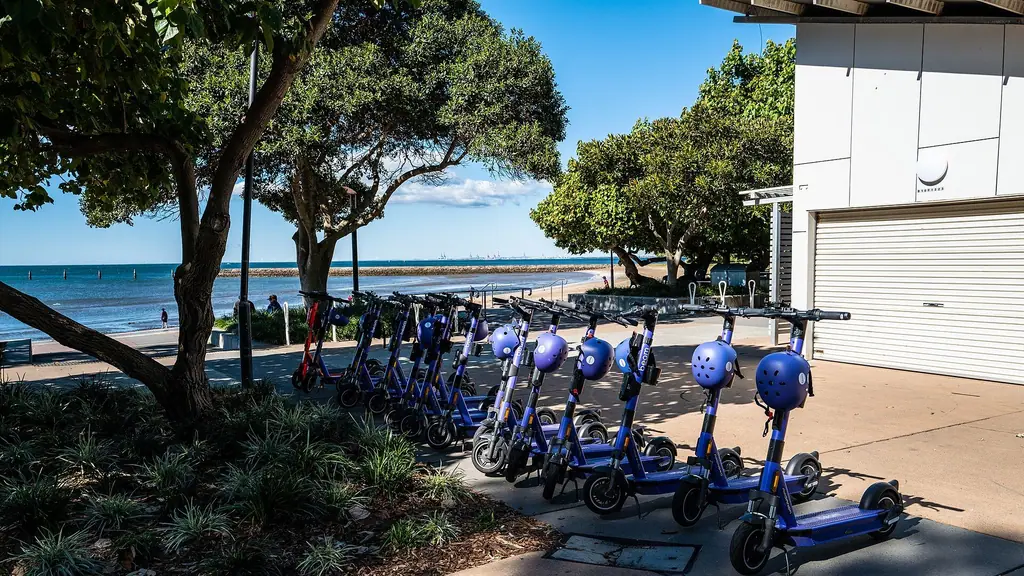
E-scooters can replace short car trips and extend transit, but their climate and safety record depends on how long they last, what trips they replace and how streets are designed.
The numbers on an e-bike battery label tell you a lot about range and value, once you know which one matters most and what else drains a charge.