Accessible cycling and adaptive bicycles: a practical guide
Cycling is not only for people who can balance a two-wheeler with their legs. Adaptive cycles open riding to many disabled people, and good street design helps them go further.
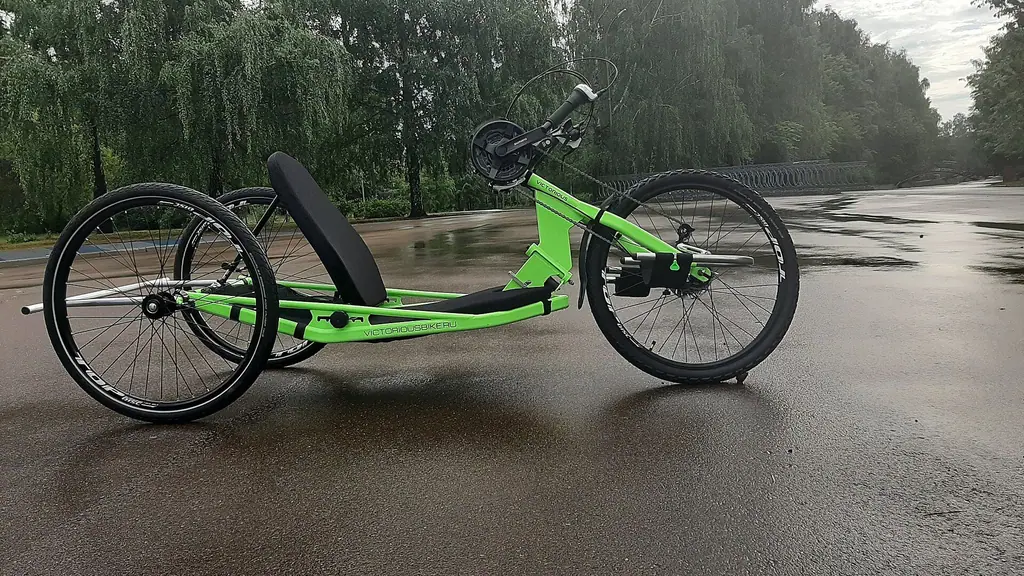
For many disabled people, a standard two-wheeled bicycle is not the right tool, but cycling itself is still very much possible. Adaptive cycles, sometimes called inclusive or accessible cycles, use three wheels, hand power, reclined seats, two riders or other changes so that more people can ride. Some riders use them for recreation and fitness; others use them as everyday transportation or as a mobility aid.
This guide introduces the main types, how to choose between them, where to find programs, and how U.S. disability law and street design shape access.
A note on language
We follow the ADA National Network’s guidelines for writing about people with disabilities: describe the environment by its accessibility (an accessible path, not a “handicapped” one), avoid phrases such as “wheelchair-bound,” and mention a disability only when it is relevant. Some people prefer person-first language (“a person with a disability”), while others prefer identity-first language (“a disabled person”). When writing about or speaking with an individual, ask which they prefer.
Main types of adaptive cycles
There is no single adaptive bike that suits everyone. The right choice depends on balance, strength, coordination, comfort, fatigue and where the rider wants to go. The table below summarizes common types, drawing on guidance from the UK charities Cycling UK and Wheels for Wellbeing.
| Type | How it works | May suit riders who… |
|---|---|---|
| Handcycle | Pedaled with the arms and upper body instead of the legs | Have limited leg function, or use a wheelchair |
| Wheelchair attachment handcycle | A clip-on front unit turns a manual wheelchair into a hand-powered cycle | Want to ride and keep their own wheelchair for the rest of the trip |
| Upright trike | Three wheels with a riding position similar to a standard bike | Find balancing on two wheels difficult |
| Recumbent trike | Reclined seat with back support and pedals out front, low to the ground | Want back support and a very stable, low center of gravity |
| Tandem (two- or three-wheeled) | Two riders on one cycle, one behind the other | Are blind or have low vision, or benefit from a partner’s pacing and power |
| Side-by-side cycle | Two riders seated next to each other; one may steer and brake | Value companionship, reassurance or shared control |
| Wheelchair-carrying cycle | A rider stays in their wheelchair while a companion pedals | Cannot transfer easily or prefer to stay in their own chair |
| Adapted standard bicycle | A regular bike with changes such as shorter cranks, one-handed brakes or grip aids | Can balance on two wheels but need specific adjustments |
Handcycles
Cycling UK’s handcycle guide describes several categories: recreational models suited to flatter, traffic-free routes; touring models with wider gear ranges and luggage mounts; lightweight sport and racing models; and sturdier off-road designs. Hybrid wheelchair attachments are especially useful for trips that combine riding with getting around on foot or by transit, because the rider keeps their own chair.
Trikes and recumbents
Three wheels remove the need to balance, which helps many riders. Cycling UK’s trike guide notes trade-offs: upright trikes can feel less stable in fast, tight corners, and trikes are generally wider than a bicycle, which affects storage and route choice. Recumbent trikes are very stable and can ease strain on the back, shoulders and wrists, but they sit lower, so the rider is less visible in traffic. A tall flag and good lights help. The U.S. bicycle safety rule at 16 CFR part 1512 defines a recumbent bicycle as one where the rider sits reclined with feet extended forward to the pedals.
Riding with a partner
Tandems, side-by-side cycles and wheelchair-carrying cycles make cycling a shared activity. Wheels for Wellbeing notes that on a tandem the front rider can act as the “eyes” for a partner with sight loss or add extra leg power. These cycles are longer or wider than a standard bike, so think about storage and the routes you plan to use.
Choosing an adaptive cycle
Adaptive cycles are specialist equipment, and many are configured for the individual. Cycling UK and Wheels for Wellbeing both stress trying before buying. Questions to work through include:
- Seating and support. How upright or reclined should the rider be? Is trunk or head support needed?
- Transfers. Can the rider get on and off independently? Cycling UK notes that step-through frames make mounting easier.
- Brakes. Can the rider operate the levers with their grip strength? Is there a parking brake to hold the cycle steady during transfers?
- Steering and gearing. Is steering easy to control at low speed? Is the gear range suitable for local terrain?
- Power assist. Electric assist can extend range and help on hills, but adds weight and requires charging.
- Practicalities. Where will it be stored? Will it fit through doorways? How will it be transported, and who will service it?
An occupational therapist, physical therapist or experienced adaptive cycling instructor can help match a cycle to a rider’s needs. Our article choosing between a traditional bicycle and an e-bike covers the basics of electric assist.
Riding safely
The basics of safe riding apply to adaptive cycles too, with a few extra considerations.
- Be visible. Low cycles such as recumbents and many handcycles benefit from a tall flag, a white front light and a red rear light, especially near driveways and parked cars.
- Plan routes for width. Wider cycles need paths and bike lanes with enough room to pass obstacles, and route choice matters more than on a standard bike.
- Check brakes and tires before each ride, including any parking brake. Our pre-ride safety checklist is a useful routine.
- Wear a helmet that fits, and consider gloves for handcycling.
- Ride within your energy. Plan rest stops and a way home in case fatigue sets in, especially in hot weather.
Adaptive programs and rentals
Adaptive cycling programs let people try different cycles with support, and some cities have added adaptive options to public bike programs. Portland, Oregon, is one example. Its Adaptive BIKETOWN program, run by the city’s transportation bureau with a local operator, began in 2017 and rents adaptive cycles to people with disabilities or anyone unable to ride a standard two-wheeled bike-share e-bike. The city states that no proof of eligibility is required, and that daily rentals were free for the June to October 2026 season.
Elsewhere, look for adaptive sports organizations, rehabilitation hospitals, parks and recreation departments and inclusive cycling groups. In South Florida, ask your city or county parks department and local rehabilitation providers what is available, since offerings change from year to year.
The ADA and access
The Americans with Disabilities Act (ADA) sets the legal framework for access to public places in the United States. The Department of Justice’s mobility devices guidance explains that state and local governments and businesses must allow people using wheelchairs and other manually powered mobility aids into all areas open to pedestrians. For “other power-driven mobility devices,” such as Segway-type devices or golf cars, they must generally allow use unless a particular type of device cannot be operated safely there, based on factors such as the device’s size, weight and speed, pedestrian traffic and the facility’s design.
That guidance does not specifically address handcycles, adaptive bikes or e-bikes. Rules for cycles on trails, paths and sidewalks therefore depend on the facility and local regulations, so check with the agency that manages the path you want to use.
Street and trail design matters as much as the law. Barriers and gates on paths, narrow or obstructed bike lanes, steep curb ramps and missing curb cuts can all stop a trike or handcycle. Wide, smooth, continuous routes help every rider. Our articles on transportation accessibility and Miami’s greenways and shared-use paths look at these questions in more detail.
Key takeaways
- Adaptive cycles include handcycles, upright and recumbent trikes, tandems, side-by-side cycles, wheelchair-carrying cycles and adapted standard bikes.
- The best choice depends on the individual rider’s body, goals and routes; try several before buying.
- Pay attention to transfers, braking, visibility and storage width as well as comfort.
- Adaptive programs and city rentals, such as Portland’s Adaptive BIKETOWN, offer a low-cost way to start.
- ADA rules on mobility devices set a baseline for access, but cycle access on paths depends on local rules, and good design matters for everyone.
Questions readers ask
Do adaptive cycles come with electric assist?
Many do. Handcycles, trikes, tandems and other adaptive cycles are available with power assist, which can help with hills, headwinds and longer distances. Consider battery weight, charging and how easy the controls are to use.
Where can I try an adaptive bike before buying?
Look for adaptive sports programs, inclusive cycling centers, rehabilitation hospitals and city rental programs in your area. Trying several types, ideally with an experienced instructor, is the best way to find a good match.
Sources
- Handcycles: An inclusive cycling guide for disabled riders, Cycling UK (2026).
- Trikes: an inclusive cycling guide for disabled riders, Cycling UK (2026).
- Types of cycles, Wheels for Wellbeing (2026).
- Mobility Devices, U.S. Department of Justice (ADA.gov) (2026).
- Guidelines for Writing About People with Disabilities, ADA National Network (2026).
- Adaptive BIKETOWN, Portland Bureau of Transportation (2026).
- 16 CFR Part 1512, Requirements for Bicycles, U.S. Consumer Product Safety Commission (eCFR) (2026).
Green Mobility Network is an independent publication. This article is for general information and is not legal, medical or professional advice; rules differ by state and city. Spotted an error? Read our corrections policy and write to contact@greenmobilitynetwork.org.