Start here
Bicycle-friendly urban planning: land use, networks and parking
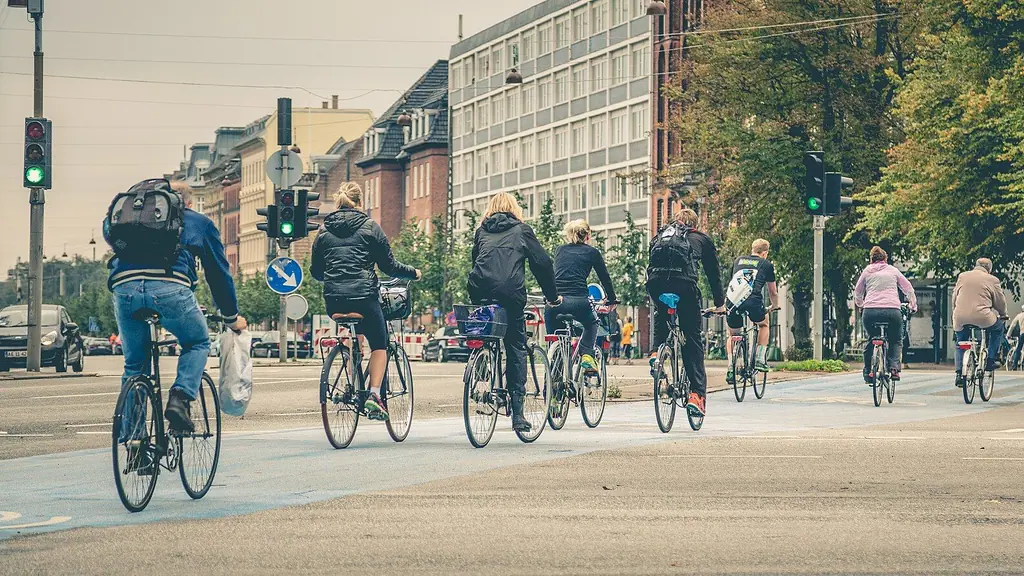
Bike lanes get the headlines, but whether people ride also depends on how far destinations are, whether routes connect and whether there is safe parking.
Transportation is the largest source of greenhouse-gas emissions in the United States, and it is shaped by decisions about where homes, jobs and schools go.
This section connects planning to daily life: shorter trips, better options, cooler streets and neighborhoods where children can move on their own.
Bike lanes get the headlines, but whether people ride also depends on how far destinations are, whether routes connect and whether there is safe parking.
Children are the clearest test of a street. If an 8-year-old can safely ride to school or the park, the street is likely working better for everyone else too.
Cleaner, more active ways of getting around do more than cut carbon. The research points to healthier residents, cleaner air, safer streets and real savings for households.
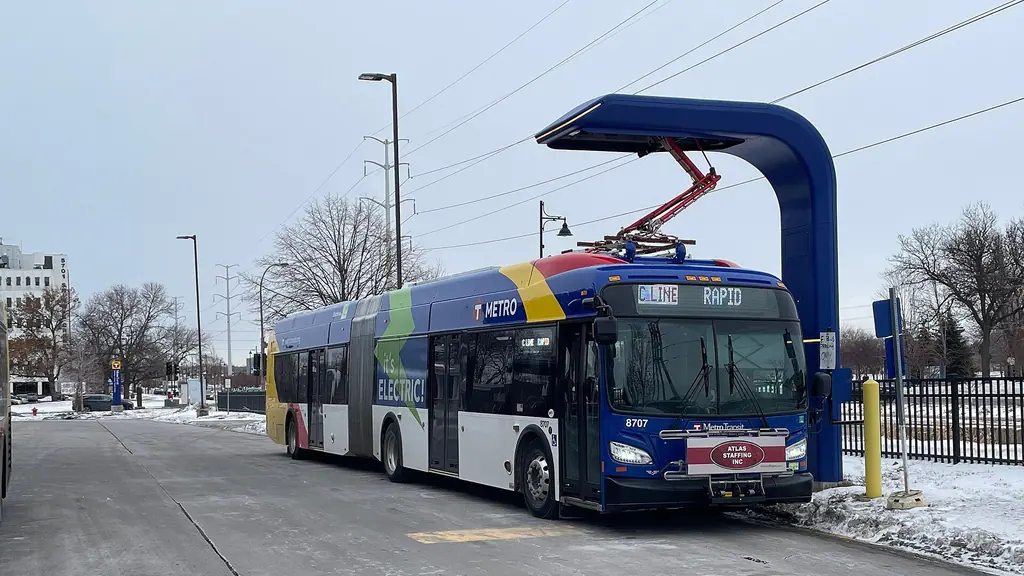
Electric vehicles are spreading fast, but global outlooks agree they cannot decarbonize city transport alone. Cities must also shorten trips and shift them to walking, cycling and transit.