Cycling and public transit: how bike-and-ride integration works
A bicycle can turn a distant transit stop into a short ride. Making the combination work takes good parking, clear onboard rules and safe routes to stations.
A bus stop or rail station serves people who can reach it. On foot, that usually means a short radius around the stop. On a bicycle, the same 15 minutes covers far more ground, turning a station that felt out of reach into an easy trip. That is the core idea behind integrating cycling with public transportation, often called bike-and-ride.
This guide explains the main ways bikes and transit work together, what federal policy says, how one South Florida system handles bikes as of 2025 and what riders can do to make the combination work.
Why bikes and transit work well together
The Federal Transit Administration put numbers on this in its 2011 policy statement on pedestrian and bicycle improvements. FTA reasoned that people walk about 2 mph and are generally willing to walk about 15 minutes to transit, which covers roughly half a mile (0.8 km). People on bikes travel about 10 mph and are generally willing to ride at least 15 minutes, which covers about 3 miles (4.8 km).
The difference in reach is large. A circle with a 3-mile radius covers about 36 times the area of a circle with a half-mile radius. Even allowing for indirect street networks, a bicycle can multiply the number of homes and jobs within practical reach of a single station.
A 2023 systematic literature review in Transport Reviews found that the bike-transit combination can improve the performance of existing transit by expanding catchment areas and improving accessibility. Its uptake depends mainly on the quality of the transit service, the quality of the cycling network and how well the two are integrated, with land use and local context also playing an important role. The authors noted that effects on car use have not been studied explicitly.
What federal policy allows
FTA’s 2011 policy simplified funding eligibility. It treats all pedestrian improvements within half a mile, and all bicycle improvements within three miles, of a public transportation stop or station as having a functional relationship to transit. Projects farther away can still qualify if they are within the distance people could be expected to safely and conveniently walk or bike to that stop.
On bike share, the 2011 statement said agencies could use FTA funds to buy aspects of a bike share system located near transit stops and stations, but not the bicycles themselves. Federal programs and rules have evolved since 2011, so agencies should confirm current eligibility with FTA.
FHWA’s 2022 complete streets report also lists better integration of on-road transit, and access to it, into roadway safety planning and design as an ongoing challenge. In other words, safe routes to stations are part of the job, not an afterthought.
The four main ways to combine bike and transit
| Approach | How it works | Best for | Watch out for |
|---|---|---|---|
| Bike on board | Bus front racks or designated areas on trains | Trips where you need the bike at both ends | Limited rack space; peak crowding |
| Park at the station | Racks, lockers or secure rooms at stops | Daily commuters with one bike-friendly end | Theft risk if parking is not secure |
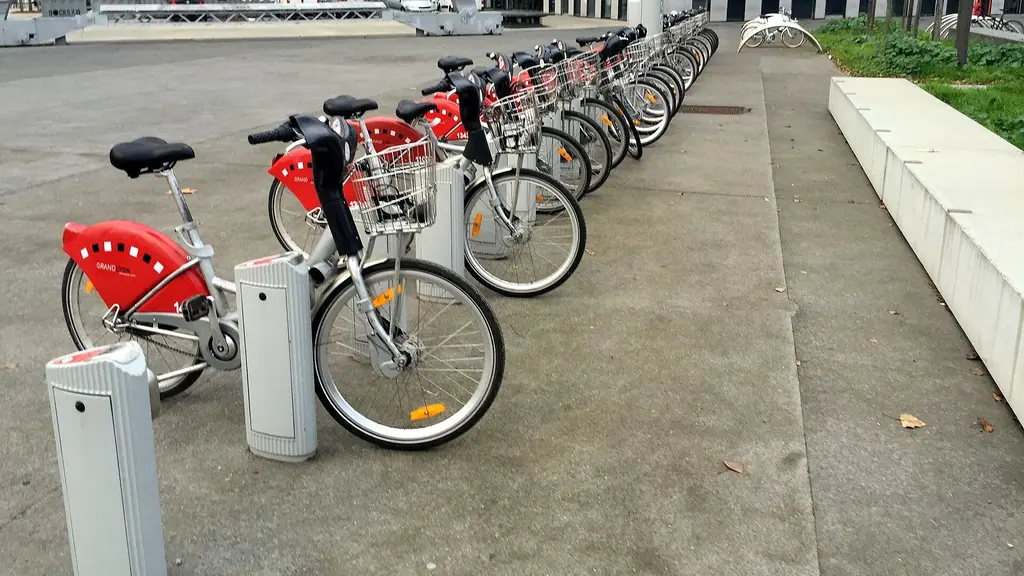
| Bike share | Pick up a shared bike near the station | The last mile at the destination end | Availability and pricing vary |
| Folding bike | Carry a compact bike on board | Crowded routes or full racks | Agency size and folding rules |
Bikes on board
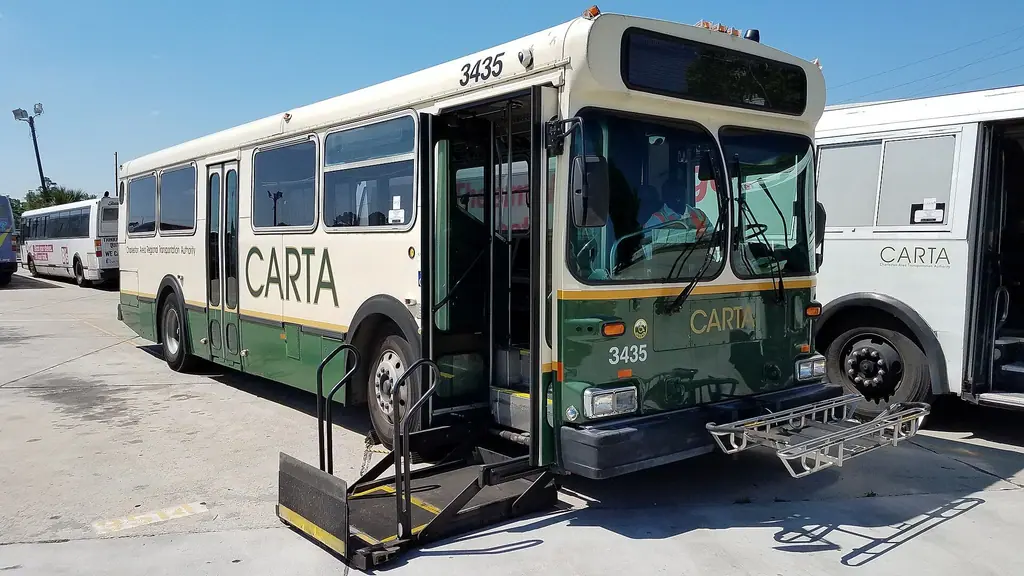
Many bus systems, including Miami-Dade’s, use front-mounted racks that hold a small number of bikes. Rail systems vary in where and when bikes are allowed. Capacity is the main constraint, so the most reliable systems combine onboard access with good parking at stations.
Parking at stations
Secure parking lets riders leave the bike at the home-end station and take transit for the rest. The Association of Pedestrian and Bicycle Professionals’ Essentials of Bike Parking (2015) classifies transit users as long-term parkers, who value security and weather protection over convenience. That means lockers, enclosures or staffed facilities, not just a few racks by the entrance.
APBP also notes that long-term installations emphasize physical security over public visibility, may need signs to guide first-time users and can control access through user-supplied locks, keys, smart cards or other technologies. Weather protection matters in a hot, rainy climate like South Florida’s, both for the bike and for the rider’s willingness to use the facility every day.
Bike share at stations
Bike share docks or parking zones at stations help with the trip from the station to the final destination. FTA’s 2011 statement acknowledged that bike share helps with the “first and last mile” problem by linking people to transit at the start and end of their trips. For more on shared bikes and scooters, see how micromobility is changing cities.
A local example: Miami-Dade transit, as of 2025
Miami-Dade County’s Bike & Ride guidance shows how these pieces fit together on one system. As of 2025, the county states:
- Metrobus: Buses carry bike racks on the front. Riders load the bike after the bus fully stops and tell the operator before getting off. If the rack is full, wait for the next bus.
- Metrorail: Bikes may be walked into any car and should use designated bike and luggage areas, without blocking wheelchair spaces. The county’s safety guidelines prohibit riding inside stations or on trains.
- Parking: All Metrorail stations and Metrobus park-and-ride lots have bike racks. Free, first-come, first-served lockable bike covers, used with your own padlock, are available at selected stations.
- Tri-Rail: According to the county’s page, Tri-Rail has bike racks and lockers at all stations and permits bikes on all trains.
- E-bikes: Personally owned e-bikes must be battery-powered and switched off on board and in stations. On Metrobus racks they are limited to 75 pounds (34 kg), and racks may not fit oversized or fat-tire models. Commercial rental e-bikes are prohibited on transit vehicles.
Rules change, so check the county’s current guidance before relying on these details. Our cycling in Miami guide and overview of sustainable transportation in South Florida cover the wider regional picture.
Tips for riders
- Know your route’s rules. Check whether your bus has racks, whether trains have peak-hour limits and what the agency says about e-bikes and folding bikes.
- Practice loading a bus rack at a quiet time so you can do it quickly and safely.
- Remove loose items such as bags or bottles before loading.
- Use a strong lock at stations and park where the bike is visible or in a secure facility.
- Handle e-bike batteries carefully. Follow the agency’s rules and see our guide to e-bike battery safety and storage.
- Plan a backup for full racks, such as a later bus, station parking or a folding bike.
What agencies and cities can do
Integration works best when transit agencies and city transportation departments plan together:
- Build safe, low-stress bike routes within about three miles of major stations.
- Provide secure long-term parking at high-ridership stations and racks at busy stops.
- Place bike share stations at or next to transit entrances.
- Publish clear, consistent rules for bikes, folding bikes and e-bikes across all modes.
- Count bike parking use and survey riders to see where demand is growing.
The League of American Bicyclists’ Bicycle Friendly Community program scores bicycle access to public transportation as its own engineering subcategory, a sign of how central the bike-transit link has become to bike-friendly planning.
Key takeaways
- A bicycle extends a transit stop’s practical reach from about half a mile on foot to about three miles, a much larger area.
- FTA’s 2011 policy treats bicycle improvements within three miles of a stop or station as related to transit for funding purposes.
- The four main tools are bikes on board, secure station parking, bike share at stations and folding bikes; strong systems use several.
- As of 2025, Miami-Dade allows bikes on Metrobus racks and in designated Metrorail areas, with specific rules for e-bikes.
- Safe routes to stations are as important as the facilities at the station itself.
Questions readers ask
Can I take an e-bike on Miami-Dade transit?
As of 2025, Miami-Dade County allows personally owned e-bikes on its system under conditions: the motor must be switched off on board and in stations, e-bikes on Metrobus racks are limited to 75 pounds, and commercial rental e-bikes are prohibited. Rules change, so check the county's current guidance before you ride.
What should I do if the bus bike rack is full?
Miami-Dade's guidance is to wait for the next bus. A folding bike, or parking at the stop or station, are good backups if your route's racks often fill up.
Is it safe to leave my bike at a transit station all day?
It depends on the facility. Bike parking guidance treats transit users as long-term parkers who need security and weather protection, so lockers or enclosed parking are better than open racks for all-day stays. Wherever you park, use a sturdy lock through the frame.
Sources
- Final Policy Statement on the Eligibility of Pedestrian and Bicycle Improvements Under Federal Transit Law (76 FR 52046), Federal Transit Administration (2011).
- Bike & Ride on Transit, Miami-Dade County Department of Transportation and Public Works (2025).
- Transit Safety Guidelines for Metrorail, Metrobus, and Metromover, Miami-Dade County Department of Transportation and Public Works (2025).
- The synergy of bicycles and public transport: a systematic literature review, Transport Reviews (2023).
- Essentials of Bike Parking, Association of Pedestrian and Bicycle Professionals (2015).
- Moving to a Complete Streets Design Model: A Report to Congress on Opportunities and Challenges, Federal Highway Administration (2022).
- Guide to the Fall 2023 Bicycle Friendly Community Report Card, League of American Bicyclists (2023).
Green Mobility Network is an independent publication. This article is for general information and is not legal, medical or professional advice; rules differ by state and city. Spotted an error? Read our corrections policy and write to contact@greenmobilitynetwork.org.