Cycling safely in Florida's climate: heat, storms and floods
South Florida's weather is predictable in its patterns and unforgiving in its extremes. Here is how to plan rides around heat, lightning, sun, storms and high water.
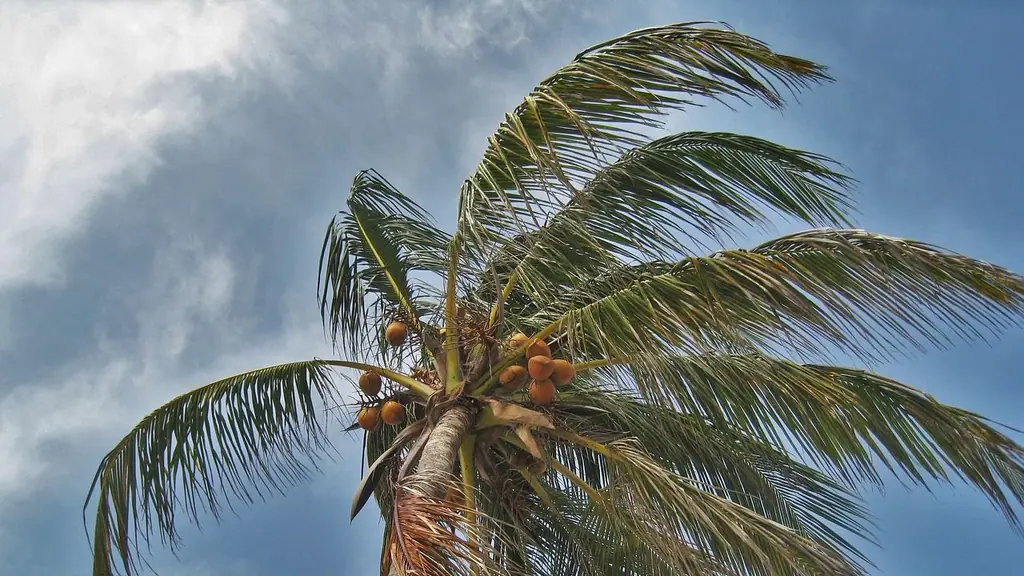
South Florida makes year-round cycling possible, but its climate brings hazards that riders in cooler places rarely face. Heat and humidity build through the day, thunderstorms arrive with little warning in the wet season, the sun is intense, and tides and storms can put water across roads and paths. None of this means staying off the bike. It means planning rides around patterns that are well documented by the National Weather Service and local governments.
This guide focuses on weather. For general warm-weather commuting tips, see our article on bicycle commuting in extreme heat.
Know the season
The NWS Miami office defines the South Florida wet season as May 15 to October 15, when 60 to 70 percent of the region’s average yearly rainfall occurs. Dewpoints sit in the 70s almost every day, and showers and thunderstorms develop nearly daily. The NWS describes mid-May through early July as the stormiest stretch, with the highest risk of damaging winds, excessive lightning and flooding. Using 1991 to 2020 normals, Miami averages about 44.8 inches (114 cm) of rain during the wet season.
Outside the wet season, from mid-October to mid-May, the region gets the smaller share of its yearly rain, though heat and sun remain factors on many days.
Lightning: the biggest wet-season risk
Florida sees a great deal of lightning, and NWS Miami’s 2026 lightning safety guidance calls it a year-round danger in South Florida, especially from summer afternoon storms. The same document reports that 20 people died from lightning in the US in 2025, including three in Florida.
The NWS rules are simple:
- When thunder roars, go indoors. If you can hear thunder, you are close enough to be struck. The NWS notes that lightning can strike 10 miles (16 km) or more from the rain area of a storm.
- No place outside is safe. That includes open paths, causeways and parks. NWS guidance for outdoor activities adds that small structures such as rain shelters and sheds do not protect you.
- Find real shelter. An enclosed building with wiring and plumbing is best. A hard-topped metal vehicle with windows closed is the fallback if no building is reachable.
- Wait 30 minutes after the last thunder before riding again.
NWS Miami also notes that many people in Florida are struck near water or while sheltering under trees, both common situations on coastal and park routes. Before a long ride, check the NWS hazardous weather outlook, which rates the daily lightning threat, and know where you could take shelter along the way.
Heat and humidity
The heat index combines air temperature and humidity to describe how hot it feels. The NWS heat index page notes that values are calculated for shady, light-wind conditions and that full sunshine can raise them by up to 15 degrees F (about 8 degrees C). Riding in direct sun on a summer afternoon can therefore feel far hotter than the forecast number.
For Miami-Dade and Broward, WLRN reported in 2025 that the NWS issues a heat advisory when the heat index is expected to exceed 105 degrees F for two hours, and a warning when values over 110 degrees F are expected. On those days, the safest choice is to ride early, shorten the trip or use transit for part of it.
Know the warning signs listed by Miami-Dade County:
| Condition | Signs | What to do |
|---|---|---|
| Heat exhaustion | Heavy sweating, cold and clammy skin, fast weak pulse, nausea, cramps, weakness, dizziness, headache, fainting | Stop riding, move somewhere cool, loosen clothing, use cool wet cloths, sip water; get medical help if vomiting or if symptoms worsen or last over an hour |
| Heat stroke | Body temperature of 103 degrees F or higher, hot red skin, fast strong pulse, confusion, loss of consciousness | Call 911 immediately; move the person somewhere cooler and cool them with wet cloths or a cool bath; do not give them anything to drink |
Practical habits help: carry more water than you expect to need, plan refill stops, wear light breathable clothing, and ride with a partner on long summer rides.
Sun protection
South Florida’s sun is strong all year. The CDC recommends broad-spectrum sunscreen with SPF 15 or higher, reapplied after two hours in the sun and after sweating. UV rays are strongest from 10 a.m. to 4 p.m. during daylight saving time, and the CDC advises protection whenever the UV Index is 3 or higher. Sunglasses that block both UVA and UVB rays, and lightweight long sleeves, add protection on longer rides.
Hurricane season
The Atlantic hurricane season runs from June 1 to November 30, with a historical peak from mid-September through October, according to NOAA’s 2026 outlook. For riders, the practical points are:
- Do not ride during tropical storm or hurricane conditions, and follow local evacuation and curfew orders.
- Expect debris and outages afterward. Fallen branches, downed lines and dark signals make roads and paths hazardous after a storm. Treat a dark signal with extra caution.
- Store bikes and e-bikes securely before a storm, and follow battery safety guidance if you charge an e-bike indoors. See our guide to e-bike battery safety and storage.
Flooding and king tides
Heavy rain can flood streets quickly, and in coastal areas king tides cause flooding on sunny days. Miami-Dade County’s King Tides page explains that the highest tides in Southeast Florida occur in the fall and lists 2026 dates from September through late November. The county advises avoiding walking through floodwater, and washing hands and clothing if you must.
For cyclists, standing water hides potholes, debris and curbs, and can disguise how deep a dip really is. Ride around flooded sections or walk the bike on higher ground. Saltwater is hard on chains, brakes and bearings, so rinse your bike with fresh water after any salty splash. Our guide to maintaining a bicycle in hot and humid climates covers corrosion prevention in detail.
Visibility in rain and low light
Sudden downpours cut visibility for everyone, and storms can make late afternoon feel like dusk. Florida’s bicycle law (316.2065, as of 2025) requires a white front lamp visible from 500 feet and a red rear lamp and reflector visible from 600 feet between sunset and sunrise. Many riders also run lights in daytime storms. Wet pavement, painted markings and metal surfaces are slippery, so brake earlier and corner more gently. Our pre-ride safety checklist is a quick way to confirm lights and brakes are working.
A summer ride checklist
Before a warm-season ride, run through these quick checks:
- Forecast: Look at the heat index and the lightning or thunderstorm outlook for your ride window, and note any heat advisory.
- Timing: Aim to finish before the hottest part of the day and before afternoon storms typically build.
- Water: Fill bottles and know where you can refill along the route.
- Shelter plan: Identify buildings along the way where you could wait out a storm.
- Lights and visibility: Charge front and rear lights, even for a daytime ride.
- Phone and ID: Carry a charged phone so you can check radar, call for help or arrange a ride home.
- Children: If riding with kids, keep trips shorter, take frequent shade and water breaks, and keep an adult close by. Children may not notice or report early signs of overheating.
Key takeaways
- The South Florida wet season runs May 15 to October 15, with near-daily storms; ride early to avoid heat and afternoon lightning.
- If you hear thunder, get into an enclosed building and wait 30 minutes after the last thunder; trees and small shelters are not safe.
- Full sun can add up to 15 degrees F to the heat index; Miami-Dade heat advisories begin at a heat index above 105 degrees F.
- Heat stroke is an emergency: call 911 and cool the person.
- Avoid floodwater, rinse saltwater off your bike, and use front and rear lights in storms as well as at night.
Questions readers ask
How long should I wait to ride after a thunderstorm?
The National Weather Service advises waiting at least 30 minutes after the last thunder before going back outside, because lightning can still strike as a storm moves away.
Is it safe to shelter under a tree or bus shelter during lightning?
No. The National Weather Service says small outdoor structures such as rain shelters and sheds are not safe, and NWS Miami notes that many people are struck while sheltering under trees. Go into an enclosed building, or a hard-topped vehicle with windows closed if no building is nearby.
What heat index triggers a heat advisory in Miami-Dade?
As reported by WLRN in June 2025, the National Weather Service issues a heat advisory for Miami-Dade and Broward when the heat index is expected to exceed 105 degrees F for two hours, and a warning when values over 110 degrees F are expected.
Sources
- 2026 Severe Weather Awareness Week: Lightning Awareness Day, National Weather Service Miami-South Florida (2026).
- Rainy Season 2025 Outlook, National Weather Service Miami-South Florida (2025).
- Lightning Safety and Outdoor Sports Activities, National Weather Service (2025).
- Heat Forecast Tools, National Weather Service (2025).
- What does a heat advisory and excessive heat warning really mean? NWS heat alerts explained, WLRN (2025).
- Heat-Related Illnesses, Miami-Dade County (2025).
- Sun Safety Facts, Centers for Disease Control and Prevention (2026).
- NOAA predicts below-normal 2026 Atlantic hurricane season, NOAA (2026).
- King Tides, Miami-Dade County (2026).
- Florida Statutes 316.2065, Bicycle regulations, The Florida Senate (2025).
Green Mobility Network is an independent publication. This article is for general information and is not legal, medical or professional advice; rules differ by state and city. Spotted an error? Read our corrections policy and write to contact@greenmobilitynetwork.org.