Safer street crossings: crosswalks, signals and design that work
Most pedestrian deaths happen while people are crossing roads designed mainly for cars. A well-studied set of crossing treatments can change that.
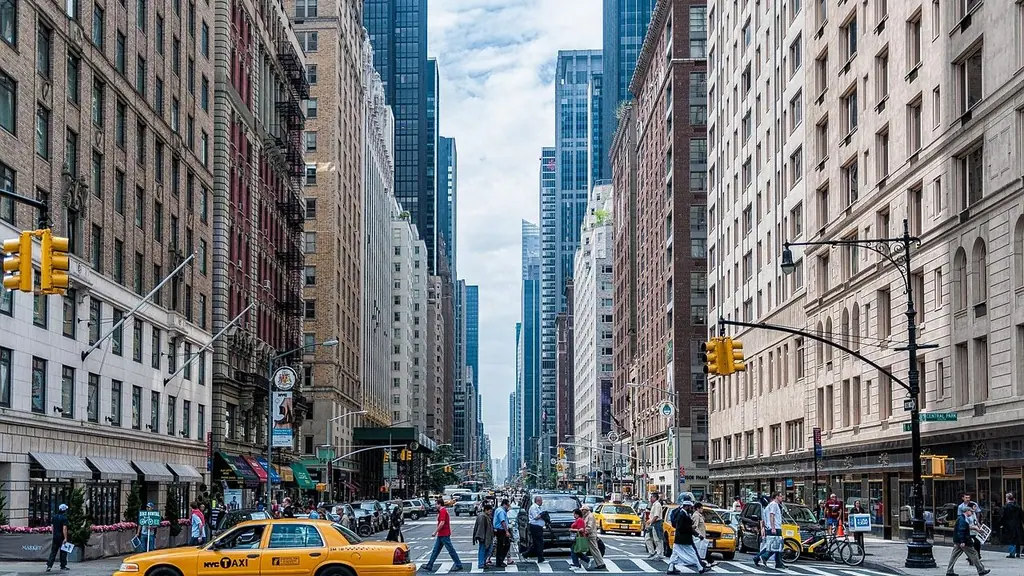
Crossing the street is where people walking are most exposed. Wide roads, fast traffic, parked cars that hide pedestrians and long gaps between signals all add risk. In 2024, 73% of US pedestrian deaths happened away from intersections and 18% at intersections, according to NHTSA’s Pedestrians: 2024 Data fact sheet.
The Federal Highway Administration (FHWA) promotes a toolkit of crossing treatments through its Safe Transportation for Every Pedestrian (STEP) program, and several of them are on its list of Proven Safety Countermeasures. This guide explains what each one does, where it fits and what the evidence says.
At a glance
| Treatment | Where it fits | Reported safety effect (FHWA) |
|---|---|---|
| Leading pedestrian interval (LPI) | Signalized intersections, especially with many turning vehicles | 13% reduction in pedestrian-vehicle crashes at intersections |
| Rectangular rapid flashing beacon (RRFB) | Uncontrolled marked crosswalks, especially multilane roads under 40 mph | Up to 47% reduction in pedestrian crashes |
| Pedestrian hybrid beacon (PHB) | Mid-block or uncontrolled crossings on busier, faster roads | 55% reduction in pedestrian crashes |
| Pedestrian refuge island | Multilane curbed roads with heavy traffic and speeds of 35 mph or more | 56% reduction in pedestrian crashes |
| High-visibility crosswalk | Mid-block crossings and uncontrolled intersections | Up to 40% reduction in pedestrian injury crashes |
| Intersection lighting | Crossings used at night | Up to 42% reduction in pedestrian crashes |
| Advance stop or yield markings and signs | Multilane uncontrolled crossings | Up to 25% reduction in pedestrian crashes |
Effects vary by site, and treatments are often combined. Agencies choose them based on traffic volume, speed, number of lanes and local crash history.
Leading pedestrian intervals
A leading pedestrian interval gives people walking a head start. The walk signal turns on a few seconds before drivers get a green light, so pedestrians are already established in the crosswalk when turning vehicles start to move. FHWA’s LPI page describes a head start of 3 to 7 seconds; the STEP page says it is usually 3 to 4 seconds.
FHWA lists the benefits as better visibility of crossing pedestrians, fewer conflicts with turning vehicles, more drivers yielding and extra protection for people who are slower to start. It reports a 13% reduction in pedestrian-vehicle crashes at intersections and notes the cost is very low when only signal timing changes. FHWA also advises agencies to make sure pedestrian signals are accessible for all users.
Rectangular rapid flashing beacons
An RRFB is a pair of rectangular yellow LED lights mounted below a pedestrian crossing sign. When someone pushes the button (or a sensor detects them), the lights flash in an alternating, rapid pattern to grab drivers’ attention.
According to FHWA:
- RRFBs are particularly effective at multilane crossings with speed limits under 40 mph (64 km/h).
- Research has recorded driver yielding rates as high as 98%, though results vary with speed, crossing distance, number of lanes and time of day.
- They can reduce pedestrian crashes by up to 47%.
- They must be used with a pedestrian, school or trail crossing warning sign and are not used at crossings already controlled by signals, stop signs, yield signs or hybrid beacons (with an exception for roundabouts).
- Over-use can dull their effect, so FHWA advises reserving them for locations with significant safety issues.
Because RRFBs are warning devices, drivers see flashing yellow, not red. In Florida, drivers must still yield to pedestrians in a crosswalk without signals under Florida Statute 316.130 (as of 2025).
Pedestrian hybrid beacons
A pedestrian hybrid beacon (sometimes called a HAWK) is a step up. Its head has two red lenses above a single yellow lens and stays dark until a pedestrian pushes the button. It then runs a flashing and steady yellow-to-red sequence that tells drivers to slow and stop, giving the pedestrian the right of way. Once the pedestrian has cleared their side, drivers may proceed, which reduces delay compared with a full signal.
FHWA says PHBs are generally used where gaps in traffic are inadequate or speed limits exceed 35 mph (56 km/h), and are very effective where people must cross three or more lanes or traffic exceeds 9,000 vehicles a day. Installations must include a marked crosswalk and pedestrian countdown signal. FHWA cites a 55% reduction in pedestrian crashes, a 29% reduction in total crashes and a 15% reduction in serious injury and fatal crashes. Where PHBs are new to a community, FHWA recommends education and outreach as part of installation.
Medians and pedestrian refuge islands
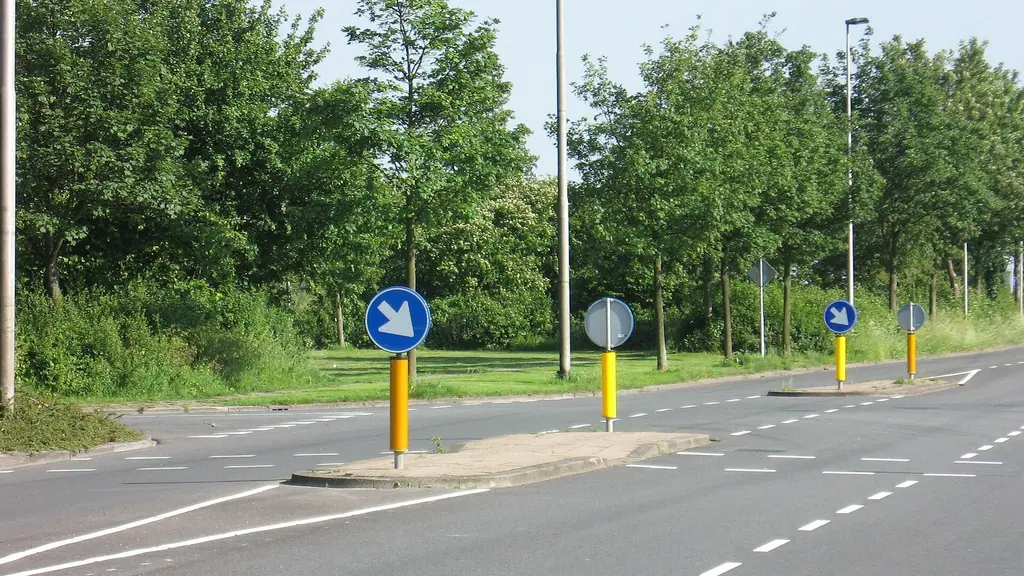
A refuge island is a protected space in the middle of the road where people can wait. It turns one long, complicated crossing into two shorter ones, each with traffic coming from only one direction. FHWA’s STEP program notes this is particularly helpful for older pedestrians and others with limited mobility.
FHWA recommends considering them on curbed multilane roads in urban and suburban areas with significant pedestrian activity, more than 9,000 vehicles per day and speeds of 35 mph or more. Islands should be at least 4 feet (1.2 m) wide and preferably 8 feet (2.4 m). FHWA reports a 46% reduction in pedestrian crashes for a median with a marked crosswalk and 56% for a pedestrian refuge island.
Making crosswalks visible
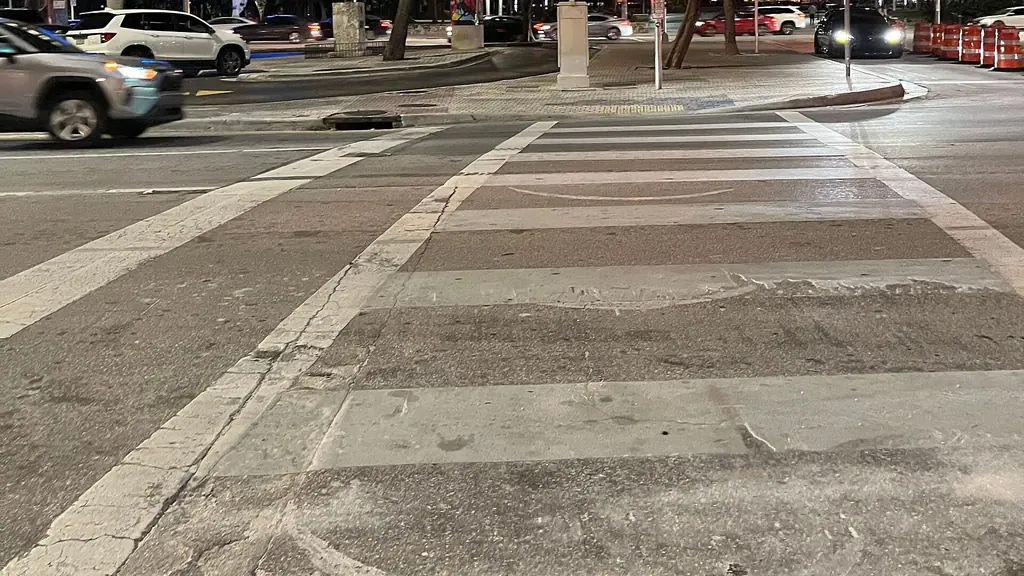
Paint alone is often not enough. FHWA notes that on multilane roads carrying more than 10,000 vehicles a day, a marked crosswalk by itself is typically insufficient. Three enhancements help:
- High-visibility markings in bar-pair, continental or ladder patterns, made with durable, reflective materials such as thermoplastic rather than paint.
- Lighting placed to illuminate the pedestrian from the front, so drivers see a lit figure rather than a silhouette.
- Advance signs and markings, such as “Stop Here for Pedestrians” or “Yield Here to Pedestrians” signs 20 to 50 feet before the crosswalk, plus triangular yield lines (shark’s teeth). In-street signs can work on two- or three-lane roads with speed limits of 30 mph or less.
STEP also promotes raised crosswalks, which bring the crossing up to sidewalk level and slow vehicles, and road diets, which can reduce the number of lanes pedestrians must cross.
Daylighting
Parked cars close to a crosswalk can hide a pedestrian, especially a child, from an approaching driver. Daylighting keeps that space clear so drivers and pedestrians can see each other.
- In Florida, Florida Statute 316.1945 (as of 2025) already prohibits standing or parking within 20 feet of a crosswalk at an intersection, with an exception for briefly picking up or dropping off passengers.
- Portland’s transportation bureau announced in 2025 that it would set parking back 20 feet at more than 200 intersections and crossings, using signs and yellow curbs near schools.
- A Montgomery County, Maryland, Vision Zero toolkit recommends restricting parking at least 20 feet from crosswalks, cites an expected 30% reduction in vehicle-pedestrian crashes, and notes that restrictions without physical barriers are less effective and may need enforcement. Curb extensions, planters or flexible posts help keep the space clear.
Tips for using crossings safely
Even the best crossing works only if people use it as intended:
- Push the button and wait for the signal or the beacon to activate before stepping out.
- At an RRFB, make sure vehicles in every lane have stopped or are clearly yielding before crossing each lane.
- Drivers should never pass a vehicle stopped at a crosswalk; it may be stopped for someone you cannot see.
- At night, wear something bright or reflective, even at a lit crossing.
- Use refuge islands as intended: stop, look again, then finish crossing.
Florida law also requires pedestrians to obey pedestrian signals and to yield to vehicles when crossing outside a marked or intersection crosswalk.
Getting better crossings built
Residents can help. Note the location, the time of day it feels unsafe, how many people cross and what makes it hard, then contact the agency that owns the road. Local Vision Zero or complete streets programs often have a process for requests. Our explainers on pedestrian safety basics, complete streets and transportation accessibility give useful context, and pedestrian safety in Miami covers the South Florida picture.
Key takeaways
- Most US pedestrian deaths in 2024 happened away from intersections, so mid-block and uncontrolled crossings deserve special attention.
- Leading pedestrian intervals are a low-cost signal change that FHWA links to a 13% drop in pedestrian-vehicle crashes at intersections.
- RRFBs, pedestrian hybrid beacons and refuge islands are FHWA Proven Safety Countermeasures with measured crash reductions of roughly 47% to 56%.
- On busy multilane roads, paint alone is not enough; visibility, lighting and advance markings matter.
- Daylighting keeps sightlines clear; Florida already bars parking within 20 feet of a crosswalk at an intersection.
Questions readers ask
What is the difference between an RRFB and a pedestrian hybrid beacon?
An RRFB is a pair of flashing yellow lights that warn drivers someone is crossing. A pedestrian hybrid beacon shows drivers a steady red signal, so it actually assigns the right of way and requires them to stop.
How can I request a safer crossing in my neighborhood?
Contact the agency that owns the road, which may be your city, county or state department of transportation. Describe the location, who crosses there and what makes it difficult, and ask whether it can be studied for crossing improvements.
Is it safer to cross at a marked crosswalk?
Usually, because drivers expect pedestrians there and many states require drivers to yield or stop. On wide, busy roads, however, FHWA says paint alone is often not enough and additional treatments are needed.
Sources
- Safe Transportation for Every Pedestrian (STEP), Federal Highway Administration (2025).
- Leading Pedestrian Interval, Federal Highway Administration (2021).
- Rectangular Rapid Flashing Beacons (RRFB), Federal Highway Administration (2021).
- Pedestrian Hybrid Beacons, Federal Highway Administration (2021).
- Medians and Pedestrian Refuge Islands in Urban and Suburban Areas, Federal Highway Administration (2021).
- Crosswalk Visibility Enhancements, Federal Highway Administration (2021).
- Florida Statutes 316.1945, Stopping, standing, or parking prohibited in specified places, The Florida Senate (2025).
- Florida Statutes 316.130, Pedestrians; traffic regulations, The Florida Senate (2025).
- News Release: Back it up, Portland! PBOT to improve intersection visibility at crosswalks, near schools, Portland Bureau of Transportation (2025).
- Parking Restrictions at Crossing Locations/Daylighting (Vision Zero toolkit), Montgomery Planning (M-NCPPC) (2021).
Green Mobility Network is an independent publication. This article is for general information and is not legal, medical or professional advice; rules differ by state and city. Spotted an error? Read our corrections policy and write to contact@greenmobilitynetwork.org.