Bicycle commuting in extreme heat
Riding in hot weather is manageable with planning, but heat illness can escalate quickly. Know the warning signs, ride at cooler times and adjust your effort to the conditions.
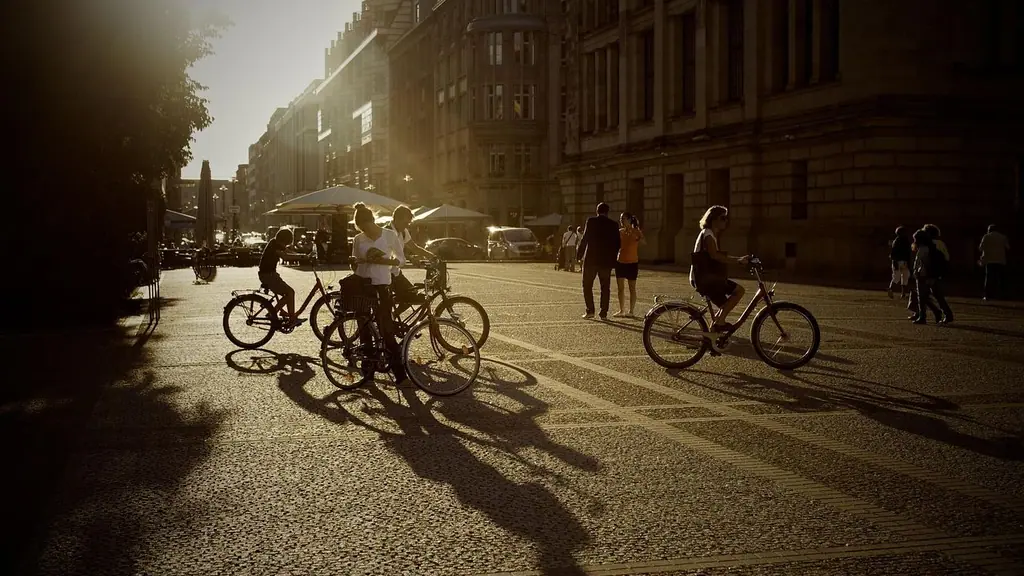
For many people, the bike commute is at its most pleasant in spring and fall. In hot climates, though, the summer commute is a fact of life. In Miami-Dade County, the official heat season runs from May 1 to October 31, as WLRN reported in 2023. Riding in the heat is possible for many people, but it calls for planning, because heat-related illness can develop quickly during physical activity.
This guide covers the warning signs to watch for, how to read heat forecasts, and the practical steps that make a hot-weather commute safer: timing, hydration, clothing, route choice and, for some riders, electric assist. It is general information, not medical advice. If you have a health condition or take regular medication, talk to your doctor about exercising in the heat.
Know the warning signs
The two conditions every hot-weather rider should recognize are heat exhaustion and heat stroke. The National Weather Service describes them this way:
| Heat exhaustion | Heat stroke | |
|---|---|---|
| Common signs | Heavy sweating; cool, pale, clammy skin; fast, weak pulse; muscle cramps; dizziness; nausea or vomiting; headache; tiredness or weakness; fainting | Throbbing headache; confusion; slurred speech; body temperature above 103°F (39.4°C); hot, red skin, dry or damp; rapid, strong pulse; dizziness; nausea; fainting or loss of consciousness |
| What to do | Get to a cooler place, ideally air-conditioned; loosen clothing; apply cool, wet cloths; sip water | Call 911 immediately; move the person somewhere cooler; cool them with wet cloths or a cool bath; do not give fluids |
| When to get help | If vomiting, symptoms worsen, or symptoms last longer than one hour | Always: heat stroke is a medical emergency |
The key difference is the brain. Confusion, slurred speech or loss of consciousness in the heat point to heat stroke, which can be fatal without prompt treatment.
CDC’s National Institute for Occupational Safety and Health lists other heat-related conditions worth knowing in its overview of heat-related illnesses. Heat cramps, muscle pain or spasms after heavy sweating, can be an early sign that your body is struggling. Heat syncope is brief fainting or dizziness. Miami-Dade County’s heat-related illnesses page gives similar guidance for local residents.
On the bike, the practical rule from CDC’s Heat and Athletes guidance applies: if you feel faint or weak, stop all activity and get to a cool place.
Who faces higher risk
Anyone can develop heat illness, but CDC’s About Heat and Your Health identifies groups at higher risk. They include people with heart disease or asthma, pregnant people, adults 65 and older, people with chronic health conditions, people taking medicines that can cause dehydration or overheating, and people working or exercising outdoors in the heat. Commuting cyclists fall into that last group every hot day.
Read the heat forecast, not just the temperature
Air temperature tells only part of the story. The heat index combines temperature and humidity to estimate how hot it feels. According to the National Weather Service’s heat forecast tools page, a temperature of 96°F with 65% relative humidity produces a heat index of 121°F. The same page notes that heat index values assume shade and light wind, and that full sunshine can raise them by up to 15°F.
Local alerts matter too. In 2024, the National Weather Service office in Miami tested lower alert thresholds for Miami-Dade and Broward counties, issuing heat advisories when the heat index was expected to reach 105°F or higher for at least two hours. Treat any heat advisory or warning as a signal to change your plans: ride earlier, ride slower, or choose another way to travel. CDC’s outdoor worker guidance also points to its HeatRisk dashboard, where you can enter a ZIP code for a local heat risk forecast.
Time your commute
The simplest way to reduce heat exposure is to avoid the hottest part of the day. CDC advises scheduling outdoor exercise earlier or later in the day, when temperatures are lower, and limiting midday activity when the sun is strongest.
- Ride in early. Morning commutes are usually the coolest of the day.
- Shift your ride home if you can, either leaving earlier or waiting until evening, rather than riding at the mid-afternoon peak.
- Have a backup plan such as transit for days when the forecast is extreme or you feel unwell.
Hydrate before, during and after
CDC’s guidance for athletes and outdoor workers is consistent: drink more water than usual, and do not wait until you are thirsty. CDC also advises avoiding alcohol and sugary drinks, and notes that light yellow or clear urine usually means you are drinking enough.
For a commute, that translates into simple habits:
- Drink water before you leave.
- Carry water on the bike, in a bottle cage or bag, on all but the shortest trips.
- Sip regularly on the way rather than waiting for a stop.
- Rehydrate when you arrive, and again before the ride home.
For heat cramps, the NIOSH guidance suggests drinking water and having a snack or a drink that replaces carbohydrates and electrolytes, such as a sports drink.
Dress for the heat
CDC recommends loose, lightweight, light-colored clothing and sunscreen, reapplied as directed on the package. For cycling, that might mean a light, breathable shirt, sunscreen on the arms, neck, face and ears, and sunglasses. A well-ventilated helmet lets air flow over your head. Some commuters ride in light athletic clothing and change at work, if facilities allow.
Choose a shaded, slower route
The fastest route is not always the best one in summer. CDC’s general heat guidance advises staying in the shade and taking breaks. For a bike commute, that can mean:
- Choosing tree-lined streets and shaded paths over open, sun-exposed roads, even if they add a few minutes.
- Avoiding long climbs such as bridges and overpasses during the hottest hours, or taking them more slowly.
- Knowing where you can stop to cool off along the way, such as an air-conditioned store, library or transit station.
Start slowly and increase your pace gradually, as CDC advises for athletes. Arriving a few minutes later and less overheated is a good trade.
Acclimatize gradually
Your body adapts to heat over time. CDC’s outdoor worker guidance recommends acclimatizing gradually as a way to prevent heat illness. If you are new to bike commuting, returning after time away or facing the first hot spell of the year, start with shorter or easier rides and build up rather than taking on your longest route on the hottest day.
Consider the e-bike option
Electric assist does not lower the temperature outside, but it does reduce how hard you have to work. A 2022 systematic review and meta-analysis of short-term studies found that riding with moderate assist produced a heart rate about 11 beats per minute lower than conventional cycling, along with lower oxygen uptake and power output. Lower oxygen uptake and power output mean less metabolic work, and so less heat generated inside your body, which can make a summer commute more manageable and may mean arriving less drenched.
Electric assist also brings its own heat precautions, because lithium-ion batteries should not be left in direct sun or hot cars. See our comparison of a traditional bicycle versus an e-bike for the broader tradeoffs, and our guide to maintaining a bicycle in hot and humid climates for battery and bike care in the heat.
A hot-day commute checklist
- Check the heat index forecast and any heat advisory before you leave.
- Ride at the coolest time you can.
- Drink water before leaving and carry more.
- Wear light, loose clothing and sunscreen.
- Choose a shaded route and an easy pace.
- Know the signs of heat exhaustion and heat stroke, and stop at the first warning.
- Have a backup way home.
Riders in South Florida can find more local advice in our guide to cycling safely in Florida’s climate.
Key takeaways
- Learn the difference between heat exhaustion and heat stroke; confusion or loss of consciousness in the heat means call 911.
- Check the heat index, not just the temperature, and remember full sun can make it feel up to 15°F hotter.
- Ride early or late, drink more than usual without waiting for thirst and avoid alcohol and sugary drinks.
- Choose shaded routes, start slowly and acclimatize gradually to hot weather.
- An e-bike lowers the effort of a commute, which can help on hot days.
Questions readers ask
Is it safe to bike to work when there is a heat advisory?
It can be for healthy, acclimatized riders who ride early, slowly and with plenty of water, but an advisory signals dangerous heat. If you are in a higher-risk group, feel unwell or cannot avoid the hottest hours, choose another way to travel that day.
How much water should I drink on a hot-weather bike commute?
CDC guidance does not set a single amount for commuters. It advises drinking more than usual and not waiting until you are thirsty, and notes that light yellow or clear urine usually means you are drinking enough.
Does an e-bike help in the heat?
It can. Research shows riders work at a lower intensity with electric assist than on a conventional bike, which means less internal heat production, though you are still exposed to the sun and air temperature.
Sources
- Heat Cramps, Exhaustion, Stroke, National Weather Service.
- Heat Forecast Tools, National Weather Service.
- Heat-related Illnesses, CDC, National Institute for Occupational Safety and Health.
- About Heat and Your Health, Centers for Disease Control and Prevention.
- Heat and Athletes, Centers for Disease Control and Prevention.
- Heat and Outdoor Workers, Centers for Disease Control and Prevention.
- New Experimental Heat Advisory/Warning Criteria for Broward County, National Weather Service Miami (2024).
- Heat-Related Illnesses, Miami-Dade County.
- It's heat season. Expect more health warnings this summer in Miami-Dade, WLRN Public Media (2023).
- Systematic review and meta-analysis evaluating the effects electric bikes have on physiological parameters, Scandinavian Journal of Medicine & Science in Sports (2022).
Green Mobility Network is an independent publication. This article is for general information and is not legal, medical or professional advice; rules differ by state and city. Spotted an error? Read our corrections policy and write to contact@greenmobilitynetwork.org.