Choosing between a traditional bicycle and an e-bike
Both are efficient, low-carbon ways to get around. The better choice depends on how far you ride, the terrain and climate, your budget and what you want from the ride.
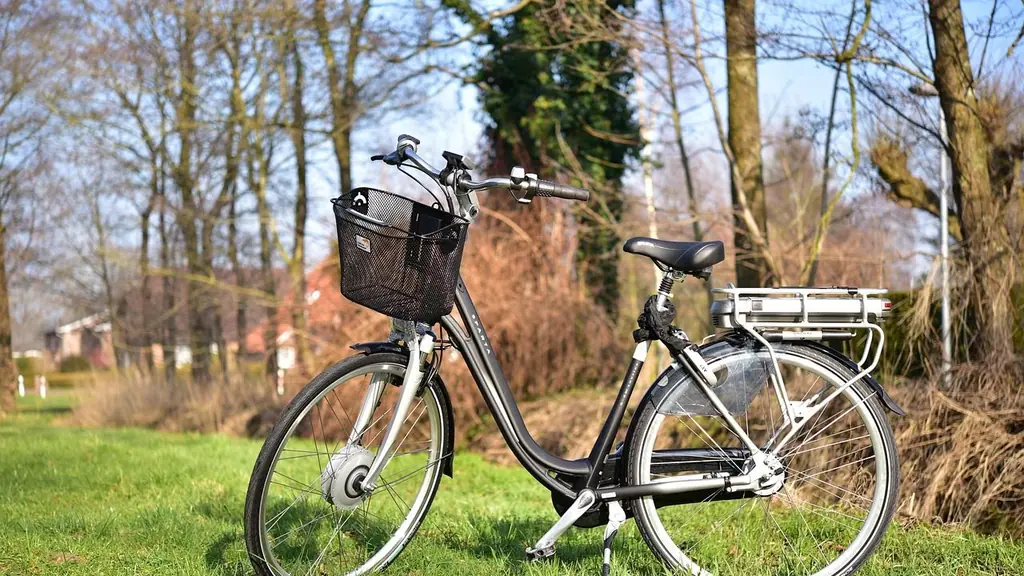
A traditional bicycle and an electric bicycle can do the same basic job: move a person efficiently, quietly and with very low emissions. But they suit different riders, trips and budgets. An e-bike can turn a sweaty, hilly or long commute into a comfortable one. A conventional bike is simpler, lighter and cheaper to buy and maintain.
This guide compares the two on the factors that matter most for everyday riding, then helps you decide which fits your situation. The legal details use Florida law as an example, so check the rules in your own state and city.
What counts as an e-bike
An e-bike is not the same as a moped or motorcycle, at least under the law. Federally, 15 U.S.C. 2085 defines a low-speed electric bicycle as one with an electric motor of less than 750 watts (1 horsepower) and a top motor-only speed under 20 mph (32 km/h) on level pavement with a 170-pound rider.
Florida sorts e-bikes into three classes. Under Florida Statutes 316.003 (2026), an electric bicycle has fully operable pedals, a seat and a motor of less than 750 watts, and falls into one of these classes:
| Class | How the motor helps | Assistance stops at |
|---|---|---|
| Class 1 | Only while you pedal | 20 mph (32 km/h) |
| Class 2 | Can propel the bike on its own, typically with a throttle | 20 mph (32 km/h) |
| Class 3 | Only while you pedal | 28 mph (45 km/h) |
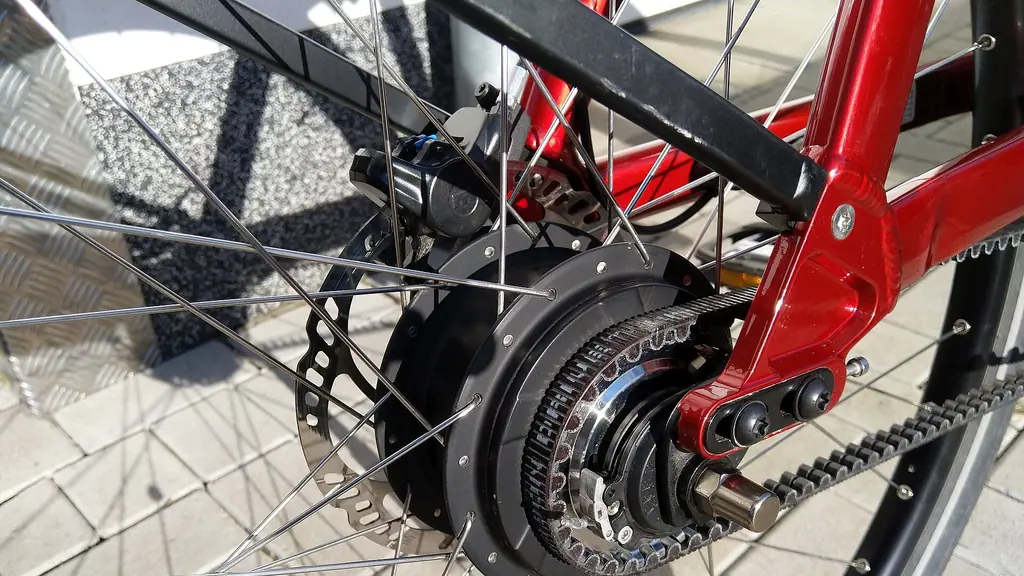
Devices with more powerful motors or higher speeds may not qualify as e-bikes at all and can fall under different rules. Our guide to e-bike motor types explains how hub and mid-drive systems differ.
Side-by-side comparison
| Factor | Traditional bicycle | E-bike |
|---|---|---|
| Purchase cost | Lower; wide range of new and used options | Higher; motor, battery and electronics add cost |
| Running cost | Very low: tires, chain, brake pads, tune-ups | Low, plus electricity and eventual battery replacement |
| Comfortable range | Limited by fitness, heat and terrain | Extended by the motor; depends on battery, assist level, terrain and rider |
| Speed and effort | All effort is yours | Same speeds with less effort, or faster at the same effort |
| Hills and headwinds | Can be a barrier for some riders | Much easier with assist |
| Weight | Lighter; easier to lift and carry upstairs | Heavier because of motor and battery |
| Maintenance | Mechanical only | Mechanical plus electrical; more frequent checks recommended |
| Fitness | Higher intensity per ride | At least moderate intensity, lower than a regular bike |
| Charging and fire safety | None | Battery charging and storage need care |
| Legal status (Florida, 2026) | Bicycle rules apply | Same rights and duties as bicycles, with local restrictions possible |
| Security | A good lock and sensible parking | Higher purchase price makes secure parking more important |
Cost
A conventional bicycle almost always costs less up front, and a good used bike can be very affordable. Ongoing costs are mostly consumables such as tires, tubes, chains and brake pads, plus periodic tune-ups.
An e-bike costs more to buy because of the motor, battery and controller, and it adds electricity and, eventually, a replacement battery to the running costs. Even so, an e-bike that replaces regular car trips may still save money compared with driving. To estimate your own numbers, try our bike vs car commuting cost calculator.
Range and practical trips
On a conventional bike, how far you can comfortably ride depends on your fitness, the terrain, the weather and how much you are carrying. In hot climates, the effort of a longer ride can be the deciding factor.
On an e-bike, the motor extends that comfortable distance. Real-world range depends on battery capacity, the assist level you use, hills, wind, temperature, tire pressure and the combined weight of rider and cargo. Our e-bike range estimator can help you check whether a given battery suits your commute, and understanding e-bike batteries explains capacity and care.
Fitness and health
A common worry is that an e-bike means no exercise. Research suggests otherwise. A 2018 systematic review in the International Journal of Behavioral Nutrition and Physical Activity found moderate evidence that pedal-assisted e-cycling provides physical activity of at least moderate intensity, lower than conventional cycling but higher than walking. It also found moderate evidence that e-cycling can improve cardiorespiratory fitness in physically inactive people, though the authors called for larger, higher-quality trials.
A 2022 meta-analysis of short-term studies quantified the difference. Heart rate with moderate assist averaged about 11 beats per minute lower than conventional cycling, and about 20 beats per minute lower with high assist.
In practice, the fitness question depends on what each bike replaces. If an e-bike gets you riding regularly instead of driving, it likely adds activity. If you would otherwise ride a conventional bike, it lowers the intensity of each trip. If maximum exercise is your goal, a conventional bike delivers more per mile.
Maintenance
Both bikes need the same basic mechanical care: tire pressure, chain lubrication, brake checks and periodic tune-ups. E-bikes add electrical components, and the extra weight of the motor and battery is one more reason to keep a close eye on tires, brakes and chains.
Purdue University’s campus mobility program suggests an e-bike routine of checking tire pressure daily, checking brake pads and lubricating the chain weekly, inspecting electrical connections and spoke tension monthly, and an annual service that includes a battery health check. Our guide to electric bicycle maintenance covers this in detail.
Charging and battery safety
Lithium-ion batteries are the biggest practical difference between the two. The U.S. Consumer Product Safety Commission advises using only the charger that came with the device or one the manufacturer recommends, avoiding universal chargers, and never charging while asleep or away from home. It also warns against batteries modified by unqualified people or built with used cells.
The Seattle Fire Department adds that batteries should be stored at room temperature, out of sunlight and hot cars, and charged only between 32°F (0°C) and 105°F (40°C). It recommends choosing devices, batteries and chargers listed by a nationally recognized testing laboratory.
Rules of the road in Florida
Under Florida Statutes 316.20655 (2026), an e-bike and its rider have the same rights, privileges and duties as a bicycle and its rider. E-bikes may generally go wherever bicycles are allowed, and riders do not need a driver’s license, registration, title or insurance. Since January 1, 2021, manufacturers and distributors must attach a label showing the class, top assisted speed and motor wattage, and the speed capability may not be modified unless the label is updated.
Local governments can regulate e-bikes on streets, sidewalks and paths in their jurisdiction, set minimum ages and require photo identification, so rules can differ from city to city. State rules may also change: in 2026 the Florida Legislature passed CS/SB 382, a micromobility bill that would have added e-bike operating requirements, but the governor vetoed it in June 2026. This is general information, not legal advice; check current state and local rules before you ride.
Which one is right for you?
A traditional bicycle is likely the better fit if:
- Your trips are short or mostly flat.
- You want the most exercise per ride.
- You need to carry the bike up stairs or onto transit often.
- Your budget is tight, or you want the simplest possible maintenance.
An e-bike is likely the better fit if:
- Your commute is long, hilly or regularly into a headwind.
- Heat makes arriving sweaty a real barrier.
- You want to carry children or heavy cargo.
- Health, age or fitness currently limits how far you can ride.
- You want to replace car trips you would not make on a regular bike.
If you can, test-ride both on a route similar to your real trips before buying.
Key takeaways
- Under Florida law (2026), e-bikes have motors under 750 watts and fall into three classes with assist limits of 20 or 28 mph.
- Conventional bikes cost less, weigh less and need only mechanical care; e-bikes extend range and flatten hills.
- E-cycling still provides at least moderate-intensity exercise, though less per ride than a regular bike.
- E-bike batteries need careful charging and storage: use the original charger and never charge unattended.
- Florida e-bike riders need no license or registration, but local rules on paths, sidewalks and ages vary.
Questions readers ask
Do you still get exercise on an e-bike?
Yes. A 2018 systematic review found moderate evidence that pedal-assisted e-cycling provides at least moderate-intensity physical activity, lower than conventional cycling but higher than walking.
Do I need a license or registration for an e-bike in Florida?
Under Florida Statutes 316.20655 (2026), e-bikes that meet the state definition are exempt from driver licensing, vehicle registration, title and insurance requirements. Local governments can still set rules such as minimum ages and where e-bikes may ride, so check local ordinances.
Is a Class 3 e-bike a good choice for a first e-bike?
It suits riders who want higher assisted speeds on roads, but its 28 mph assist limit may be more than you need, and Florida law (2026) lets local authorities restrict e-bikes on paths and trails. Consider where you will actually ride before choosing a class.
Sources
- Florida Statutes 316.003, Definitions, Florida Legislature (2026).
- Florida Statutes 316.20655, Electric bicycle regulations, Florida Legislature (2026).
- CS/SB 382, Micromobility Devices (2026 Session), The Florida Senate (2026).
- 15 U.S. Code 2085, Low-speed electric bicycles, Legal Information Institute, Cornell Law School.
- Health benefits of electrically-assisted cycling: a systematic review, International Journal of Behavioral Nutrition and Physical Activity (2018).
- Systematic review and meta-analysis evaluating the effects electric bikes have on physiological parameters, Scandinavian Journal of Medicine & Science in Sports (2022).
- Micromobility: E-Bikes, E-Scooters and Hoverboards, U.S. Consumer Product Safety Commission.
- Fire safety tips for e-bikes and e-scooters, Seattle Fire Department (2024).
- Education - Campus Mobility, Purdue University.
Green Mobility Network is an independent publication. This article is for general information and is not legal, medical or professional advice; rules differ by state and city. Spotted an error? Read our corrections policy and write to contact@greenmobilitynetwork.org.