Electric bicycle maintenance explained: what changes with a motor
An e-bike is still a bicycle, but its extra weight, speed and electronics change how often parts wear and which jobs you should leave to a professional.
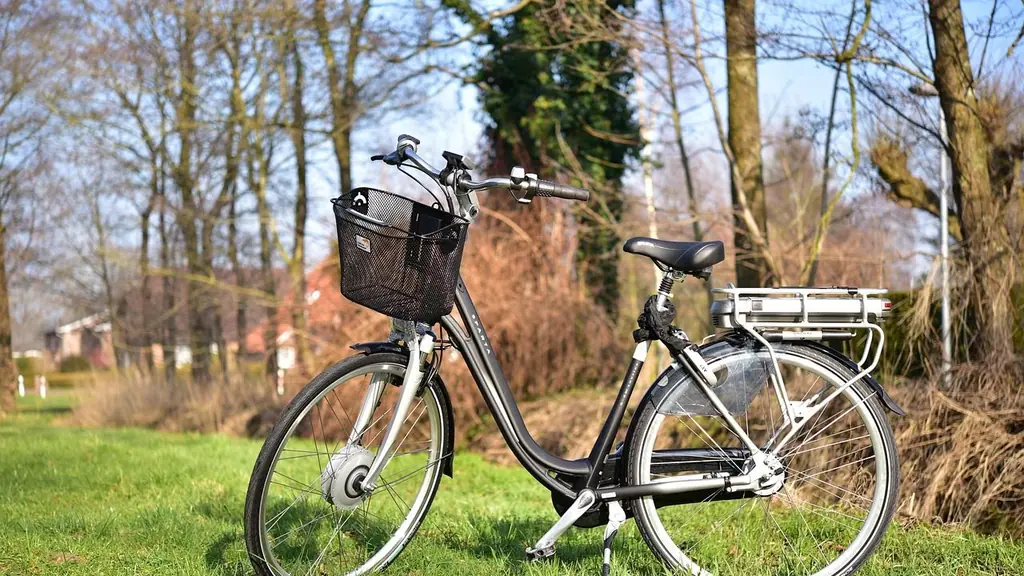
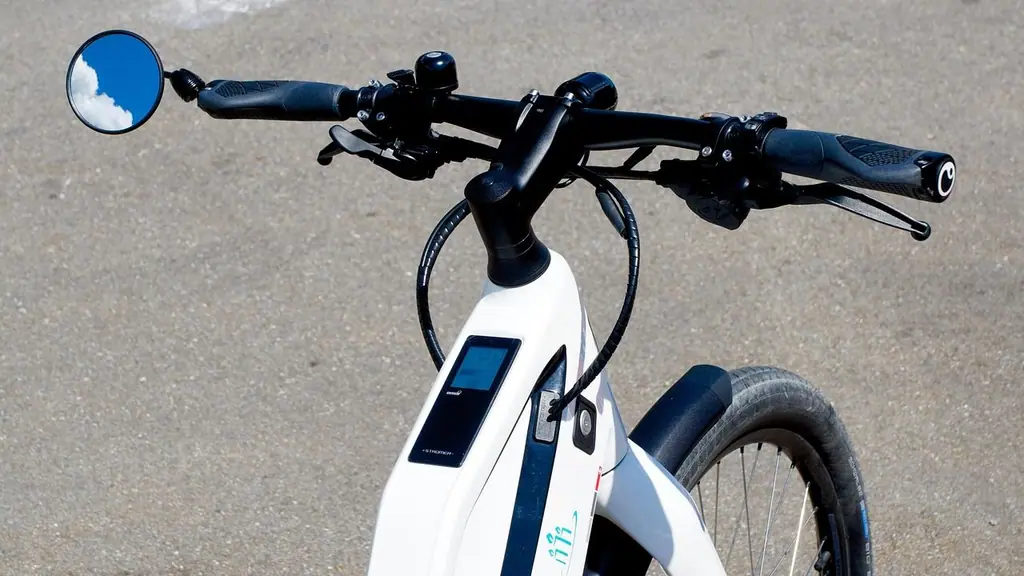
An electric bicycle shares most of its parts with an ordinary bicycle: wheels, tires, brakes, a chain and gears. What changes is the load on those parts. E-bikes are heavier and are often ridden faster, and a motor adds force through the drivetrain. Add a lithium-ion battery, a charger, wiring and a display, and the maintenance routine needs a few extra steps.
This guide covers the jobs most riders can handle at home, the checks that deserve more attention on an e-bike, and the work that should go to a qualified mechanic. Always treat your owner’s manual as the final word, because designs differ between models.
Why e-bikes wear parts faster
Consumer NZ’s e-bike maintenance guide (2026) points out that because e-bikes are heavier and faster than conventional bikes, their brakes wear more quickly and their chains carry higher forces. That matches what many owners notice: brake pads, tires and chains that lasted a season on a pedal bike may need attention sooner.
The practical takeaway is not that e-bikes are fragile. It is that inspection intervals should be shorter, especially if you ride daily, carry cargo or children, or ride in rain and heat.
A routine maintenance schedule
The table below combines common guidance from consumer testing organizations with standard bicycle practice. Adjust it to your mileage and your manufacturer’s schedule, or use our bike maintenance schedule calculator to build your own.
| When | What to check | Why it matters on an e-bike |
|---|---|---|
| Before every ride | Tire pressure and condition, brakes, battery charge, lights, quick releases or axle nuts | Higher speeds and weight make a brake or tire failure more serious |
| Weekly (daily riders) | Tire pressure with a gauge, chain cleanliness, brake feel | Underinflated tires increase drag and wear |
| About every 125 miles (200 km) or after wet rides | Clean and lubricate the chain | Motor torque accelerates chain and sprocket wear |
| Monthly | Brake pad thickness, rotor condition, spoke tension, bolts, cable and wire routing | Pads wear faster; loose wiring can chafe |
| Yearly, or per manual | Professional service including drivetrain, brakes and an electrical system check | Technicians can run diagnostics and install firmware updates |
CHOICE, the Australian consumer organization, suggests a professional service every 12 months or 2,000 km (about 1,240 miles), whichever comes first. Many manufacturers publish their own interval, which takes precedence.
Tires and wheels
Check tire pressure before rides and inflate to the range printed on the tire sidewall or in your manual. Consumer NZ recommends checking pressures weekly with a gauge rather than relying on a squeeze test alone. Correct pressure reduces rolling resistance, which helps range, and lowers the risk of pinch flats under the extra weight.
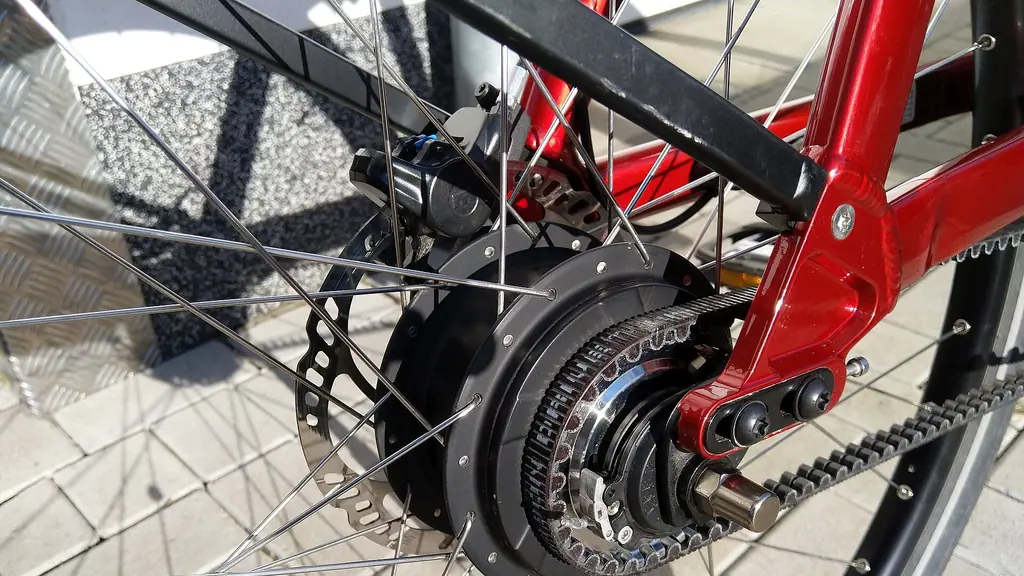
While you are there, look for cuts, embedded glass and worn tread, and spin each wheel to confirm it runs straight without rubbing. If your bike has a hub motor, removing that wheel to fix a flat usually involves disconnecting a motor cable and dealing with torque washers or axle nuts. If you are not comfortable with that, it is a reasonable job to leave to a shop.
Brakes
Brakes deserve the most attention on any e-bike. Squeeze both levers before every ride: they should feel firm and stop the bike well before the lever reaches the handlebar.
Consumer NZ suggests inspecting disc pads by shining a light into the caliper and replacing pads that are worn to about 1 mm (roughly 1/32 inch) of friction material. Vibration under braking can point to a worn pad or a warped rotor, and squealing is often caused by contamination. Keep chain lube and cleaning sprays away from rotors and pads; contaminated pads usually need replacement rather than cleaning.
If a hydraulic brake feels spongy even with good pads, it may need bleeding, which is best done by someone with the correct fluid and tools.
Chain and drivetrain
Motor assistance, particularly from a mid-drive motor that drives the chain directly, puts more load through the drivetrain than most riders produce alone. Consumer NZ recommends lubricating the chain roughly every 200 km (about 125 miles), and more often in wet or dusty conditions.
A simple routine:
- Wipe the chain with a clean rag while backpedaling.
- If it is grimy, clean it with a brush and a bike-specific degreaser, then let it dry.
- Apply lubricant to each roller, wait a few minutes, then wipe off the excess.
- Measure chain wear with a chain checker; replacing a stretched chain early protects the more expensive cassette and chainring.
Poor shifting on a clean, lubricated chain usually means cable tension or derailleur adjustment is needed.
Cleaning without damaging the electronics
Both CHOICE and Consumer NZ advise keeping water away from the motor and electrical parts. CHOICE recommends removing the battery and display before washing and never using a high-pressure hose, which can force water past seals and loosen connectors.
A safer approach:
- Remove the battery if your model allows it, and cover exposed contacts.
- Use a bucket, soft brush and bike or car wash solution, or a gentle low-pressure rinse.
- Wipe the motor housing, display and switches with a damp cloth instead of spraying them.
- Dry the frame and, especially, the battery contacts before reinstalling the battery.
- Wait until everything is dry before charging.
Regular cleaning also makes it easier to spot cracked welds, loose bolts and chafed wires.
Battery and charger care
The battery is usually the most expensive single part of an e-bike, and it is also the component with the most serious safety implications. Day-to-day care is simple:
- Use the right charger. The U.S. Consumer Product Safety Commission (CPSC) warned in September 2024 against so-called universal chargers, reporting 156 fire and thermal incidents involving them between January 2023 and May 2024. Use the charger supplied with the bike or a replacement approved by the manufacturer.
- Charge attentively. CPSC advises staying nearby while charging, not charging overnight while you sleep, and unplugging once charging is complete.
- Watch the environment. The FDNY’s consumer tip sheet (2024) says to plug chargers directly into a wall outlet, avoid extension cords, keep batteries out of direct sun and extreme heat or cold, and charge away from exits and anything that can burn.
- Store sensibly. For longer layups, consumer organizations suggest storing the battery partly charged in a cool, dry place and topping it up periodically. Consumer NZ advises keeping it above 50%, and CHOICE suggests 30% to 60%. Follow your manufacturer’s figure if it gives one.
Stop using a battery that smells odd, changes shape or color, leaks, gets unusually hot or makes noises, as the FDNY advises. Our guide to e-bike battery safety and storage covers charging, warning signs and disposal in detail.
Electrical checks you can do
You do not need diagnostic software to catch many problems early:
- Look along every visible cable for cuts, kinks or rubbing where it passes the head tube or frame edges.
- Check that connectors are fully seated and dry.
- Make sure the battery locks firmly into its mount and does not rattle.
- Confirm the display, lights and assist levels respond normally.
CHOICE notes that a misbehaving system can sometimes be reset by removing and reinserting the battery. If that does not work, or if you see damaged wiring, take the bike to a qualified technician. For a symptom-by-symptom guide, see common e-bike problems.
What to leave to a professional
Some jobs are not home-mechanic territory:
- Opening a battery pack. Never disassemble or rebuild a battery. CPSC advises against using packs modified by unqualified people or built from used cells.
- Motor and controller internals. These are sealed units that usually require manufacturer tools and parts.
- Firmware updates and diagnostics. These typically need dealer software.
- Hydraulic brake bleeds, unless you have the correct fluid and experience.
Avoid modifying the motor’s speed settings. In Florida, for example, Florida Statute 316.20655 (as of 2025) prohibits altering an e-bike’s motor-powered speed capability or engagement unless the classification label is replaced to reflect the change. Other states have their own rules, so check locally.
When buying replacement electrical parts, look for certification by a recognized testing laboratory. UL Solutions explains that UL 2849 covers a complete e-bike electrical system and UL 2271 covers light electric vehicle battery packs, and stresses that a product merely “tested to” a standard is not the same as certified.
A pre-ride habit that covers most risks
A one-minute check catches most problems before they become crashes. Check tires, squeeze the brakes, confirm the battery is seated and charged, test lights, and listen for new noises on the first few pedal strokes. Our bicycle maintenance checklist applies to e-bikes too, with the battery and electrical checks above added on.
Key takeaways
- E-bikes wear brakes, tires and chains faster than pedal bikes because of their weight, speed and motor torque, so inspect more often.
- Check tire pressure and brakes before every ride, and lubricate the chain regularly, more often in wet weather.
- Clean with low-pressure water or a damp cloth, remove the battery first where possible, and keep electrical contacts dry.
- Use only the manufacturer’s charger, charge while you are nearby, and stop using any battery that shows warning signs.
- Leave battery, motor, controller and firmware work to the manufacturer or a qualified technician.
Questions readers ask
Can I wash an e-bike with a hose?
A gentle rinse is usually fine if you keep water away from the motor, battery, display and connectors, but avoid pressure washers. Remove the battery first if your manual allows it, and dry the contacts before reinstalling it.
Do e-bikes need more maintenance than regular bikes?
Generally yes for wear parts. E-bikes are heavier and faster, so brake pads, tires and chains tend to wear sooner, and the electrical system adds items that need checking.
Should I fix the motor or battery myself?
No. Leave internal motor, controller and battery work to the manufacturer or a qualified technician. Never open a battery pack or use one that has been rebuilt by an unqualified person.
Sources
- E-bike maintenance, Consumer NZ (2026).
- How to maintain your electric bike, CHOICE (2022).
- Micromobility: E-Bikes, E-Scooters and Hoverboards, U.S. Consumer Product Safety Commission (2024).
- CPSC Urges Consumers to Not Buy or Use Universal Chargers with Micromobility Products Due to Fire Hazard, U.S. Consumer Product Safety Commission (2024).
- Lithium-Ion Batteries and Micromobility Devices: Safety Tips for Retailers and Consumers, FDNY (2024).
- E-Bike/Micromobility Device Safety: Product Certification, UL Solutions (2023).
- Florida Statutes 316.20655, Electric bicycle regulations, The Florida Senate (2025).
Green Mobility Network is an independent publication. This article is for general information and is not legal, medical or professional advice; rules differ by state and city. Spotted an error? Read our corrections policy and write to contact@greenmobilitynetwork.org.