How to maintain a bicycle in hot and humid climates
In places like South Florida, a bicycle's main enemies are not snow and road salt but moisture, sea air and sun. A few climate-specific habits keep it rolling.
Most bicycle maintenance advice is written with cold winters in mind: road salt, freezing rain and months of storage. Riders in hot, humid places face a different set of problems. Moisture in the air, sudden rain showers, salt carried inland on sea breezes and strong sun all work on a bike every day of the year.
In Miami-Dade County, the official heat season runs from May 1 to October 31 each year, as WLRN reported in 2023. That is half the year of conditions that speed up corrosion and dry out lubricants. This guide covers the habits that make the biggest difference in climates like South Florida’s. For the rider’s side of the equation, see our guides to cycling safely in Florida’s climate and bicycle commuting in extreme heat.
Why heat, humidity and salt are hard on bikes
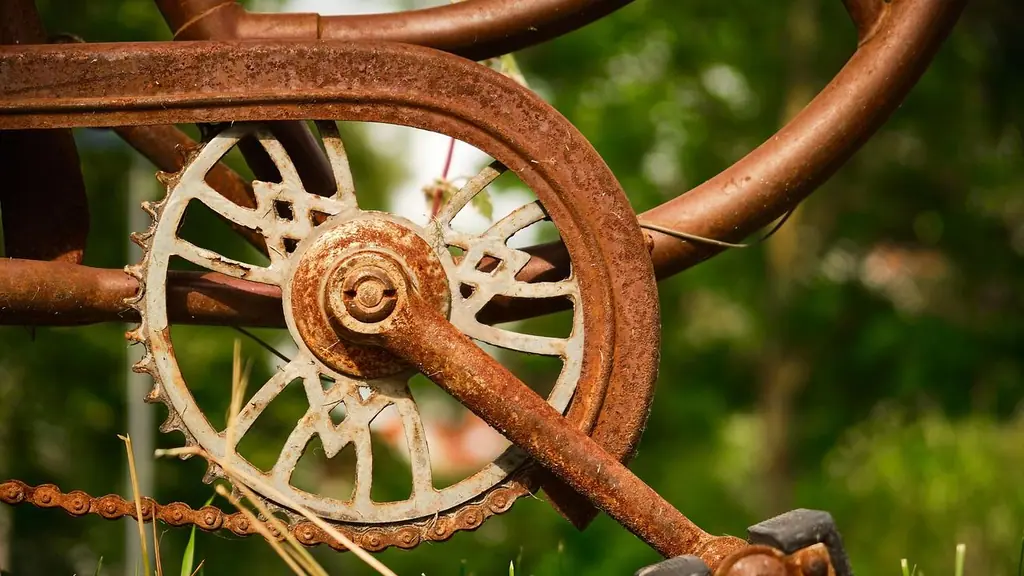
Metal parts corrode faster when moisture and salt are present. Chains, cables, bolts, spokes and steel frames are all vulnerable. NASA’s guide to forms of corrosion notes that pitting corrosion is most likely where chloride ions, which sea salt supplies, are present, that moisture trapped in crevices and under deposits sets up corrosion cells, and that aluminum alloys in contact with steel can corrode faster when an electrolyte such as salty water is present.
Florida’s coast is a demanding place for metal. NASA’s corrosion program at Kennedy Space Center, whose launch facilities sit within 1,000 feet of the Atlantic Ocean, reports that its beachside test site has higher atmospheric corrosion rates than other known test sites in the United States. NASA’s concerns involve rocket exhaust as well as ocean salt, but the lesson for cyclists is simple: near the coast, salt is in the air whether or not you ride on the beach.
Heat adds its own effects. It raises tire pressure and is a serious concern for lithium-ion e-bike batteries.
A rust-prevention routine
| Part | Risk in hot, humid or coastal air | What to do |
|---|---|---|
| Chain | Surface rust, stiff links, faster wear | Wipe after every wet ride; clean and lubricate every 1 to 2 weeks |
| Gear and brake cables | Rust inside housing, sticky shifting and braking | Check monthly; replace rusty cables |
| Bolts and fasteners | Corrosion, seized bolts | Wipe down; ask a mechanic about anti-seize or grease on threads during service |
| Spokes and nipples | Corrosion, loosening | Inspect during cleaning; have wheels checked annually |
| Steel frame | Rust inside tubes and at chips in paint | Touch up paint chips; store indoors |
| Bearings | Water and salt intrusion | Avoid strong spray; annual inspection |
Bowdoin College’s maintenance guidance recommends checking brake and shift cables for rust about once a month and replacing any that are rusty. It also suggests wiping and lubricating the chain after extended rain rides or whenever it looks rusty, noisy or dirty.
After a ride in salt air or rain
- Rinse gently with fresh water to remove salt and grit, using a low-pressure hose, bucket and sponge or damp cloth. Avoid blasting water directly into hubs, the bottom bracket, the headset or e-bike electrical connections.
- Dry the bike with a clean cloth, paying attention to the chain, cables and bolt heads.
- Relubricate the chain once it is dry, then wipe off the excess.
- Store it somewhere dry with good airflow rather than in a closed, damp space.
Tire pressure in the heat
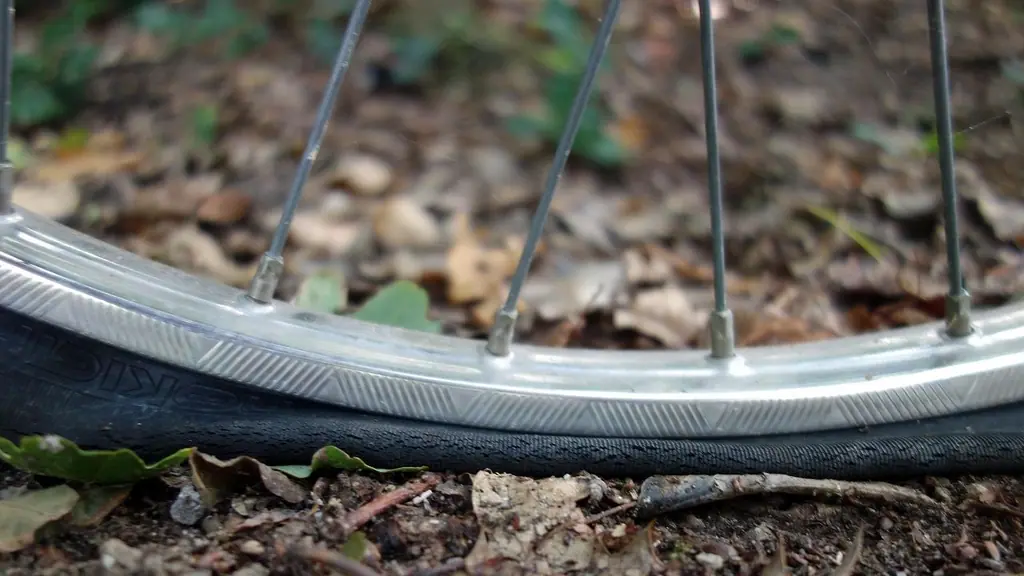
Air in a tire behaves much like the ideal gas described by NASA Glenn Research Center’s equation of state. When volume and the amount of air stay about the same, pressure rises in proportion to absolute temperature. A bike tire’s volume barely changes, so heating the air inside it pushes the pressure up.
To put that in numbers, warming the air in a tire from 70°F (21°C) to 120°F (49°C), a plausible temperature for a dark tire left in direct summer sun or a closed car, raises absolute temperature by a bit more than 9%. Because the change applies to absolute pressure, which includes the roughly 14.7 psi of the atmosphere, a tire set to 80 psi in the cool of the morning could then read close to 89 psi. That is an estimate from basic physics, not a measured value for any particular tire.
Practical steps:
- Check pressure weekly at minimum. The UCSB campus bike shop notes that tires hold their pressure for about a week.
- Set pressure when the tire is at air temperature, not right after it has been sitting in the sun.
- Stay within the sidewall range. Do not inflate to the maximum if your bike will be parked in direct sun.
- Do not leave bikes in hot cars or on sunny car racks for long periods.
- Inspect tires for cracking in the rubber, and replace tires that are cracked, bald or showing threads.
Choosing and using lubricants
Lubricant choice matters more when rain and humidity are part of daily life. The Bicycle Coalition of Maine recommends wet lube for wet conditions and dry lube for dry conditions, noting that dry lube washes off easily and needs to be reapplied more often. It also advises applying lubricant only to a clean chain and wiping off the excess before riding.
In a climate with frequent showers, that makes a wet-condition lubricant the more natural fit, because a dry lube will wash off sooner. Whatever you use, the routine matters as much as the product:
- Clean the chain before relubricating it, so you are not sealing grit into the rollers.
- Apply a small amount to each roller, let it soak in, then wipe the outside of the chain.
- Relubricate after any ride in heavy rain.
- Lightly oil cable ends and pivot points during regular maintenance. The UCSB shop suggests oiling the chain, brake and gear cables and the derailleur about every two weeks.
Because moisture and grit speed up chain wear, measure the chain more often too. The Wikibooks chain wear guide explains that a chain whose rivets have stretched 1/8 inch or more past the 12-inch mark on a ruler should be replaced, and that riding on a worn chain wears the cogs and chainrings.
Storage in a humid climate
Storage may do more to prevent corrosion than anything else. The ideal spot is indoors, dry, ventilated and out of direct sun.
- Indoors beats outdoors, even in a carport. Dew and rain settle on a bike left outside every night.
- Avoid sealed, damp spaces such as a closed shed with no airflow, where humidity can stay high.
- Keep it off wet ground, using a stand or wall hook.
- Use a cover if the bike must stay outside, and inspect it more often.
- Before riding after storage, inflate the tires, lubricate the chain and run the ABC Quick Check.
E-bike batteries and heat
Lithium-ion batteries need particular care in hot climates. The Seattle Fire Department advises keeping batteries at room temperature, out of sunlight and hot cars, and away from anything flammable and from exit doors. It also advises not charging batteries at temperatures below 32°F (0°C) or above 105°F (40°C), using only the charger that came with the device and stopping charging when the battery is full.
Stop using a battery that shows an unusual odor, color change, swelling, leaking, smoking, excess heat or a failure to hold charge. For full guidance, see our article on e-bike battery safety and storage.
A climate-adjusted maintenance schedule
| Interval | Tasks for hot, humid or coastal riding |
|---|---|
| Every ride | ABC Quick Check; wipe the chain after wet rides |
| Weekly | Check tire pressure; inspect tires; rinse and dry after salt exposure |
| Every 1 to 2 weeks | Clean and lubricate the chain; oil cables and pivots |
| Monthly | Check cables for rust; measure chain wear; inspect brake pads |
| Every 2 to 3 months | Deep-clean drivetrain; check bolts; touch up paint chips |
| Every 6 to 12 months | Professional service, including bearings, wheels and cables |
To build a personal timetable that accounts for coastal exposure and how often you ride, try our bicycle maintenance schedule calculator.
Key takeaways
- Moisture and salt speed up corrosion, so rinse, dry and relubricate after rain or coastal rides.
- Check cables monthly for rust and measure chain wear more often than in dry climates.
- Heat raises tire pressure; set pressure at air temperature and keep bikes out of hot cars and direct sun.
- Pick a lubricant suited to wet conditions if rain is frequent, and always apply it to a clean chain.
- Store bikes indoors and keep e-bike batteries at room temperature, out of sun and hot vehicles.
Questions readers ask
Should I let air out of my tires on a hot day?
Set pressure when the bike and tires are at the surrounding air temperature, within the range on the sidewall. Avoid letting the bike bake in direct sun or a closed car, which raises pressure, rather than deflating to compensate.
Is it bad to wash a bike with a hose?
A gentle rinse is fine and helps remove salt and grit. Avoid aiming a strong spray directly at hubs, the bottom bracket, the headset or e-bike electrical parts, then dry the bike and relubricate the chain.
Can I store my bike outside under a cover?
Indoor storage is best in a humid climate. If the bike must stay outside, use a cover, keep it off wet ground, and inspect and lubricate the chain and cables more often. Do not leave an e-bike battery outdoors in direct sun.
Sources
- Corrosion at KSC, NASA Kennedy Space Center.
- Forms of Corrosion, NASA Kennedy Space Center.
- Equation of State, NASA Glenn Research Center.
- Bike Maintenance, Bicycle Coalition of Maine.
- Bicycle Maintenance, Bowdoin College.
- Maintenance Tips, A.S. Bike Shop, University of California, Santa Barbara.
- Fire safety tips for e-bikes and e-scooters, Seattle Fire Department (2024).
- Bicycles/Maintenance and Repair/Chains/Checking chain wear, Wikibooks.
- It's heat season. Expect more health warnings this summer in Miami-Dade, WLRN Public Media (2023).
Green Mobility Network is an independent publication. This article is for general information and is not legal, medical or professional advice; rules differ by state and city. Spotted an error? Read our corrections policy and write to contact@greenmobilitynetwork.org.