Miami-Dade's Quick Build program and tactical urbanism
Quick-build projects test street changes with paint, planters and posts in weeks instead of years. Miami-Dade tried a resident-driven version in 2017; here is what it was and where the idea has gone since.

Historical note: This page replaces the former Quick Build website of Green Mobility Network, a Miami-area advocacy group that partnered with Miami-Dade County on a Quick Build program; the original lived on a subdomain of this domain. This site is now an independent publication and is not affiliated with that group or the program. You can view the archived original via the Internet Archive. The explainer below is new.
“Quick build” describes a way of improving streets fast and cheaply: install a design with low-cost materials, see how it works, and adjust or make it permanent. Miami-Dade County ran a resident-driven version starting in 2017, and the old program website still attracts links. This page explains what quick-build projects are, what Miami-Dade’s program did, and how the approach is used locally today.
What a quick-build project is
The City of Orlando’s quick build guide offers a clear definition: flexible, low-cost installations meant to advance long-term goals for safer, more inviting public spaces. The city notes that the approach is also known as tactical urbanism, and that these proof-of-concept projects let residents and decision-makers experience an unfamiliar design before committing to it.
Typical quick-build tools include:
- paint and flexible delineator posts to mark bike lanes or separate them from traffic;
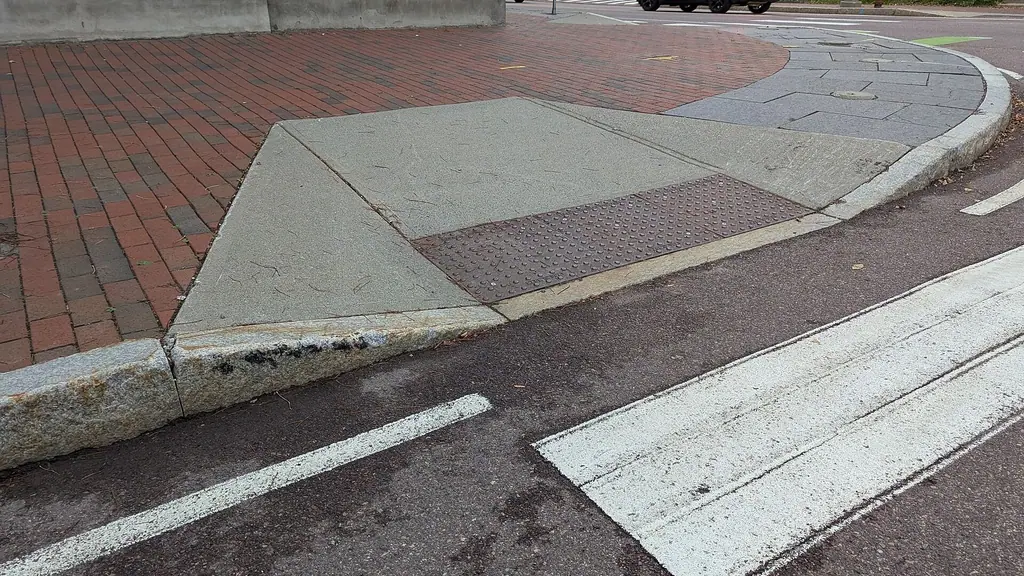
- curb extensions that shorten crossings and slow turning cars;
- seating areas or mini-parks placed in former parking spaces;
- signage and asphalt art that signal a street’s changed purpose.
The benefit is speed and learning. The trade-off is durability: temporary materials need maintenance, and on high-speed, high-volume roads they may not provide enough physical protection on their own.
Miami-Dade’s Transportation Quickbuild Program
The Miami-Dade TPO’s 2017 Protected Bike Lanes Demonstration Plan describes the program as a search for low-cost, high-impact ways to show that solutions such as protected bike lanes work in South Florida. It states that in 2016 the bicycle and pedestrian advocacy group Green Mobility Network received a grant from the national foundation TransitCenter, and that the program brought together Miami-Dade County, professional urbanists, community volunteers and local municipalities to design and build projects that support walking, biking and transit. The report notes that many proposals involved pilot protected bike lanes.
In January 2017, Miami New Times reported that the county’s Department of Transportation and Public Works had launched the Transportation Quickbuild Program with the group, after TransitCenter granted $150,000 to the effort. Its “Quickbuild Challenge” invited residents to submit ideas for projects in their own neighborhoods, as an alternative to traditional projects that take years to plan and fund.
One result drew national attention. In October 2018, Streetsblog reported that a stretch of NE Third Avenue in downtown Miami was transformed for four days, with on-street car parking replaced by seating areas and mini-parks, supported by the Miami-Dade Transportation Quick-Build Program and capped by a community dinner in the street.
We could not find an official county source describing how many projects the program completed overall, so we do not give a total.
How the approach is used today
Quick-build thinking has spread into regular agency practice, though often under other names.
County and TPO programs. In June 2024 the Miami-Dade TPO published an evaluation of its SMART STEP program, which launched in 2021 with eleven pedestrian and bicycle projects, eight of them completed at the time of the review. The report recommends evolving the program into a quick-build version of complete streets, with a library of pre-approved designs, a focus on small projects on low-volume streets and county-owned land, and priority for projects within a single jurisdiction to shorten lead times. It contrasts SMART STEP’s permanent projects with peer programs elsewhere that install temporary pilots very quickly.
City projects. Miami Beach’s Slow Streets 2.0 plan for the Flamingo Park neighborhood uses low-cost traffic-calming tools, including curb extensions, bike lanes, delineators, signage and asphalt art, to create low-stress streets for walking and biking. Its first phase covers Jefferson Avenue from 5th to 11th Street and 13th Street from Washington to Meridian Avenue, and the city reports that new bike lanes have opened in the neighborhood.
For the bigger picture, read our explainers on what complete streets are and how cities can improve cycling infrastructure, or browse our urban transportation hub.
How residents can propose a project today
- Start with your city. Many street changes are local decisions, so contact your city’s public works or transportation department.
- Use the county channels. Miami-Dade’s Department of Transportation and Public Works handles county roads, and the Miami-Dade TPO’s advisory committees are open to the public.
- Bring evidence. Crash data, photos, counts and neighbor support help.
- Do not install anything yourself. Unauthorized changes to a public street can be unsafe and illegal. Quick-build projects still go through agency approval.
Key takeaways
- Quick-build, or tactical urbanism, uses low-cost materials to test street changes quickly before making them permanent.
- The Miami-Dade TPO records a 2016 TransitCenter grant to the former Green Mobility Network for a Quick Build program with the county.
- The county launched its Transportation Quickbuild Program and resident Quickbuild Challenge in January 2017.
- In 2024 the TPO recommended evolving its SMART STEP program toward a quick-build model; cities such as Miami Beach use similar low-cost tools.
Questions readers ask
Is a quick-build project permanent?
Not usually at first. Quick-build projects use paint, flexible posts, planters and similar materials so a design can be tested and adjusted. Successful ones may later be rebuilt with permanent materials.
Can residents still apply to Miami-Dade's Quickbuild Challenge?
We found no evidence of a current open call under that name. Residents interested in street changes should contact their city or Miami-Dade's Department of Transportation and Public Works, or attend Miami-Dade TPO advisory committee meetings.
Sources
- Protected Bike Lanes Demonstration Plan, Final Report, Miami-Dade TPO (2017).
- How Would You Improve Miami Transit? The Quickbuild Challenge Seeks Ideas, Miami New Times (2017).
- Miami Shows How to Reclaim a Street from Cars, Streetsblog California (2018).
- SMART STEP Program Evaluation (TPO Urban and Non-Urban Mobility Task Force), Miami-Dade TPO (2024).
- What is a Quick Build Project?, City of Orlando.
- Slow Streets 2.0, City of Miami Beach (2026).
Green Mobility Network is an independent publication. This article is for general information and is not legal, medical or professional advice; rules differ by state and city. Spotted an error? Read our corrections policy and write to contact@greenmobilitynetwork.org.